
Industry
Part of Accessible travel mistakes travelers can avoid
Accessible Travel Mistakes Businesses Can Prevent
How US hotels, parks, and attractions can prevent accessible travel mistakes businesses can fix, from publishing access details to handling outages.
What to take away
- Most complaints are information failures rather than building failures.
- Train one person properly and make sure everyone knows who that person is.
- Broken access equipment is the most common single complaint, and the cheapest to prevent.
- Understand the legal frame well enough to act on it rather than fear it.
For US hotels, parks, and attractions, accessible travel mistakes businesses can prevent often begin with missing information, unclear responsibility, or equipment that is out of service. Many fixes are operational rather than construction projects.
Information failures dominate
A traveler telephones, asks whether there is a step, and gets an uncertain answer. They book elsewhere.
A guest arrives at a room that does not match the booking. A visitor finds the accessible entrance locked with no sign saying where to go.
None of those is a construction problem. All of them are answerable with a page of facts and a member of staff who knows where the key is.
Train one person, and publicize them
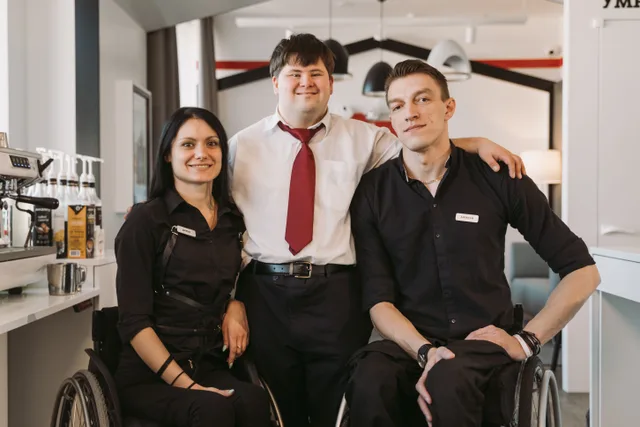
Have somebody whose job includes access questions, make sure every other member of staff knows who it is, and make sure that person can be reached before a visit. Train them to answer from a shared access record, handle service-animal questions, communicate effectively, and escalate questions they cannot answer before the visit.
Most large venues that get this right have exactly this, and most that get it wrong do not.
Keep the equipment working
The single most common complaint in accessible travel is that something existed and was out of service: the lift, the ramp, the accessible restroom, the hoist. It is also the first thing careful visitors telephone to check.
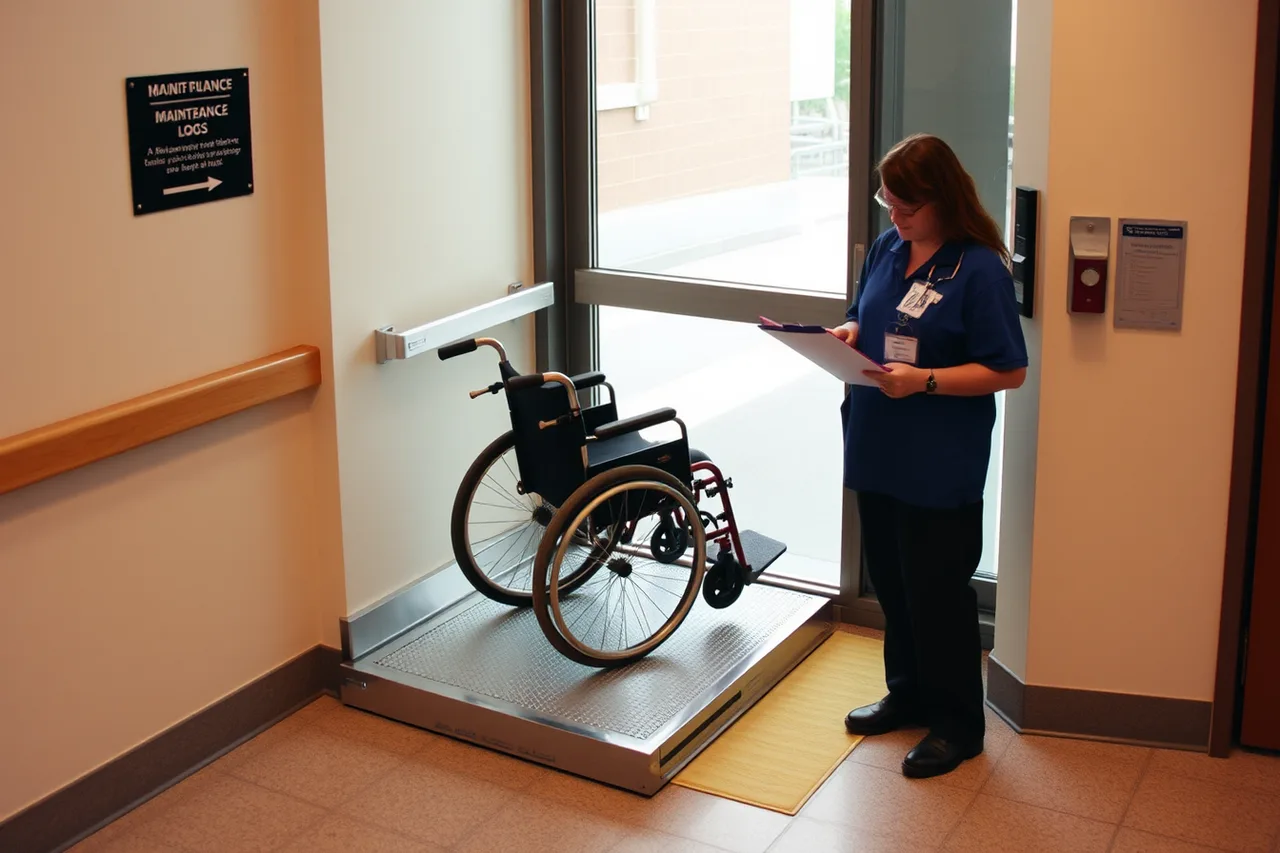
Check equipment at opening and log each check. When something breaks, record the affected item, when it went out of service, who is responsible for updates, and what alternative is available; say so publicly on the website that day and update the information as the status changes.
Understand the legal frame
Not to be frightened of it, but to know what is actually required.
For a US business open to the public, start with the Americans with Disabilities Act (ADA), especially Title III's requirements for public accommodations. The Justice Department's Civil Rights Division runs the disability rights section that enforces Title III. Consult DOJ's ADA.gov guidance and the 2010 ADA Standards for Accessible Design, which set technical requirements for new construction and alterations; DOJ also provides an online process for filing ADA complaints.
The employment side sits elsewhere. The Equal Employment Opportunity Commission covers disability discrimination in employment, which matters to a business hiring staff, including the disabled staff who make a venue better at all of this.
Review the ADA Title III guidance and applicable standards, and keep the DOJ complaint process in view. The EEOC material applies to employment rather than public access.
The five practical fixes, in order
- A page of measurements and photographs on the website, including entrance steps, door widths, routes, restroom access, accessible parking, and equipment status, with the rates and the companion policy on it.
- One trained person, publicized.
- A maintenance schedule for access equipment.
- A written procedure for when something is out of service.
- Asking a disabled customer what would help, and acting on it.
These steps address information, staffing, maintenance, and response practices without requiring a building project.
Cheap access fixes, in order
- Measurements and photos on website
- One trained person, publicized
- Maintenance schedule for access equipment
- Written out-of-service procedure
- Ask a disabled customer and act
Write down what you cannot do
Counterintuitive and effective. A page that says plainly that there is one step at the entrance, that the upstairs room cannot be reached, and that the restroom door is 68cm wide will win you customers.
People plan around known limits every day. What they cannot plan around is discovering the limit on arrival, and that is the experience that produces the review you cannot recover from.
Precision about limits reads as competence, not as apology.
When something goes wrong
Apologize, fix what can be fixed today, be honest about what cannot, and offer something concrete. Never argue about whether the need is real.
What travelers experience when this is not done is described in how to avoid accessible travel mistakes, and what they are asking businesses for is a short and inexpensive list.