Rules
Part of The seven links in accessible attraction planning and the questions to ask
Attraction access details: keep a file and recheck it
Record each attraction's access details with the date and the name of who confirmed them, and recheck the answers that change: closures, lifts and restrooms.
What to take away
- Keep one line per attractionthe answers, the date and the name of the person who gave them.
- Recheck closures within a week of the visit. A broken lift or shuttle rarely reaches the website.
- Ask about anything mechanical again the day beforelifts, shuttles and trams.
- Restrooms move during building work, so record where they are now, not where the map puts them.
- If an answer proves wrong on the day, state the date it was confirmed and ask for the manager.
A published access page describes what a site hopes is true. A dated answer in your own file records what a named person promised, and that is the version you can hold a site to on the day. After a few trips the file also shows which answers held up.
What goes into the file
One line per attraction is enough: the answers, the date, and who told you. That file beats any published access page, because it is written to your requirements rather than a general audience.
Nine access questions to ask
- Parkingcount, distance, surface, fill time
- Drop-offlocation relative to door
- Entrancelevel or ramped, staffed
- Internal transportshuttle running today
- Routedistance, gradient, surface, seating
- Restroomswhere, how many, open
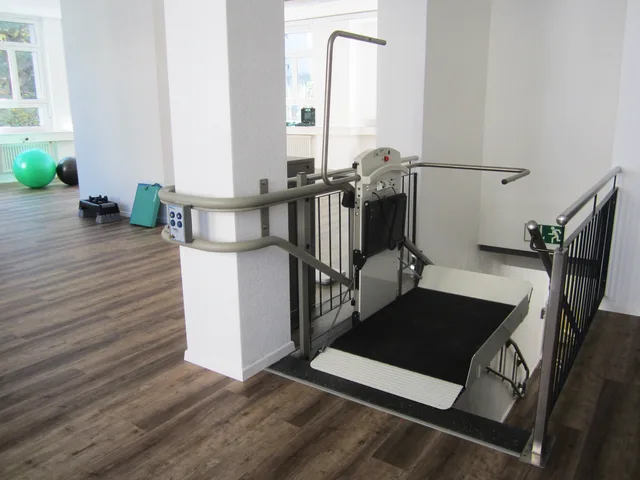
- Liftsworking today, failure plan
- Communicationcaptioning, listening, printed materials
The nine questions cover parking, drop-off, entrance, internal transport, route, restrooms, lifts, communication and closures. Give each its own field and write the answer as it was given: a distance, a surface, a yes with a condition. Ask about parking cost in the same call, and the budget side of attraction planning shows what else to price.
Every entry carries four marks:
- The answer, in the words the person used
- The date you asked
- The name of the person who gave it
- Any question that stayed unanswered, so you know to ask again
An access page that states what is impossible, and offers an alternative, is more use than one that promises everything. Your file should read the same way: limits written down, not smoothed over.
The answers that go stale
Closures and restroom locations move fastest, so those entries get rechecked. A lift, a shuttle, an accessible restroom or a ramp can go out of use on a Tuesday with no update anywhere online.
Recheck these two close to the date
Closures
- How fast they change
- Overnight, no notice
- Where they hide
- No online update
- What to ask
- Out of service this month?
- When to ask
- Close to the date
Restroom locations
- How fast they change
- Move during building work
- Where they hide
- Printed map is wrong
- What to ask
- Where are they now?
- When to ask
- Close to the date
| Entry | Why it goes stale | When to ask again |
|---|---|---|
| Closures | Out-of-service items rarely reach the website | Last question, within a week of the visit |
| Restrooms | A printed map lags behind building work, or a restroom locks behind a staffed desk | Within a week, asking where it is now |
| Lifts | Anything with a motor can fail between calls | Within a week, then the day before |
| Shuttles and trams | Anything with a motor can fail between calls | Within a week, then the day before |
The lift question already asks what happens when one fails. The recheck only tells you whether the visit day is that day, and that makes the closure question the most valuable one on the list.
Indoor sites add comfort entries
Museums, galleries and conservatories trade route entries for comfort ones: temperature, humidity, seating frequency, noise and lighting. Add those five fields to the file for any indoor site.
Indoor site comfort questions
- Temperature
- Humidity
- Seating frequency
- Noise
- Lighting
The United States Botanic Garden's visitor information lists several air-conditioned spaces indoors in its Conservatory, including the West Gallery, East Gallery and South Transition. For some visitors, which room is cool decides whether the trip works, so write the room names into the file.
Seating frequency is the entry people forget. Benches every fifty meters and benches nowhere are different buildings to anyone who tires standing. Ask how often benches appear, not whether seating exists, and carry a folding stool when the answer is none. The packing list for an attraction visit(/accessible-attraction-planning-what-to-pack) covers the rest.
Historic sites: record the stated limits
Parts of some historic sites cannot be made accessible, and the well-run ones say so. Record the limit exactly as stated, and record what the site offers in its place, such as a film, a model or a virtual tour. Some will arrange a staff-led alternative on request.
Historic Jamestowne shows how a stated limit reads. Its accessibility page says the Glasshouse demonstration area is accessible by wheelchair, but visitors may need assistance because the hard-packed dirt trail is steep. A line like that lets you plan the route and the helper before the day.
When the answer is wrong on the day
Ask for the manager and be specific: this was confirmed on this date by this person, it is not the case, what can you do. Most failures are fixed on the spot by someone with authority to fix them.
Where they are not, write down what happened and follow up in writing. Sites change things in response to factual complaints, and the next visitor benefits. Your file supplies the date and the name that make the complaint specific.
How the process works puts the questions in order, and a local guide is often the fastest way to a current answer.
Common questions
How close to the visit should I confirm?
Within a week, then again the day before for anything mechanical: lifts, shuttles, trams. Anything with a motor can fail between calls.
Is a file worth keeping for a single visit?
Yes. It is your evidence if an answer proves wrong, and after a few trips it is more accurate than anything published.
What if a floor or wing is inaccessible?
Ask what stands in for it. Good sites offer a film, a model or a virtual tour, and some will arrange a staff-led alternative on request.
Should I complain when something confirmed turns out wrong?
Yes, factually and in writing. Specific complaints about a confirmed detail are what get access pages and signage corrected.