Maintenance
Part of Accessible U.S. travel: why access is uneven, not absent
Accessible US travel tips for checking routes
Accessible US travel tips for checking sidewalk approaches, coordinating handoffs, judging distance and grade, and pacing daily stamina before a trip.
What to take away
These accessible US travel tips focus on planning the full route, handoffs and daily stamina.
- The route to a building usually belongs to the city, not the venue, so the venue may not be able to fix it.
- Trip problems can happen between companies as well as inside them. Confirm the airline and the ground staff separately.
- A short map distance may still involve a long or difficult route. Ask for the flat route, not the short one.
- Stamina is a fixed daily budget. Every detour and locked entrance spends some of it.
- Call the venue and ask one specific question. Two minutes beats any listing.
The pavement may be outside the venue's control
A museum can be flawless inside and unreachable at the door, because the sidewalk, curb ramp and crossing belong to the municipality.
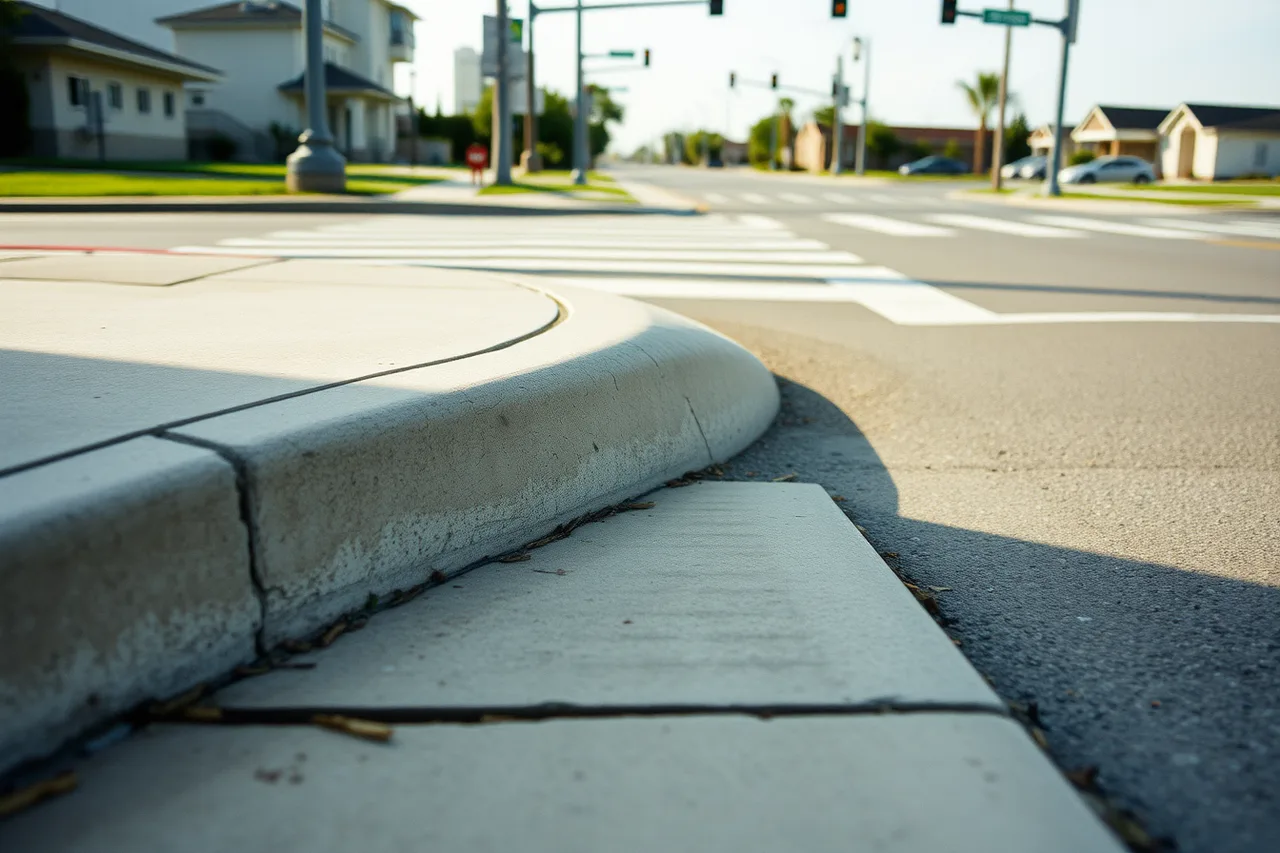
The Access Board publishes public rights-of-way accessibility guidelines covering pedestrian access routes, curb ramps and crossings. Those guidelines describe the space between buildings, which is exactly where a first trip fails.
So check the approach, not just the destination. Street imagery, then a call asking which entrance to use.
The handoffs are where requests disappear
Every trip is a chain of organizations, and things drop between them rather than inside them.
Airline to airport ground staff. Hotel to taxi company. Tour operator to venue. Each handoff is a point where your request stops being anyone's responsibility.
Confirm both sides of every handoff yourself. Do not assume the operator told the venue. For air travel, ask the airline and airport ground staff separately who handles the transfer, where the handoff occurs, and whom to contact if the plan changes.
Check the route between entrances
A hotel two blocks from a museum may still be difficult to reach if its accessible entrance and the museum's face different streets. Before relying on the map distance, confirm the entrance locations and whether each crossing has curb ramps on both sides.
If the direct crossing is not usable, ask the venue and hotel for an alternate approach with curb ramps and a signalized crossing; then compare that route's distance and surface with what you can manage.
The practical first step is one phone call: ask the venue which approach its accessible entrance is on, then ask the hotel which side its own entrance faces. Confirm the route between them rather than assuming the closest map line is usable.
Distance and grade
American cities are laid out at a scale that does not read on a map. Ten blocks is a long way, and a gentle-looking hill often is not gentle.
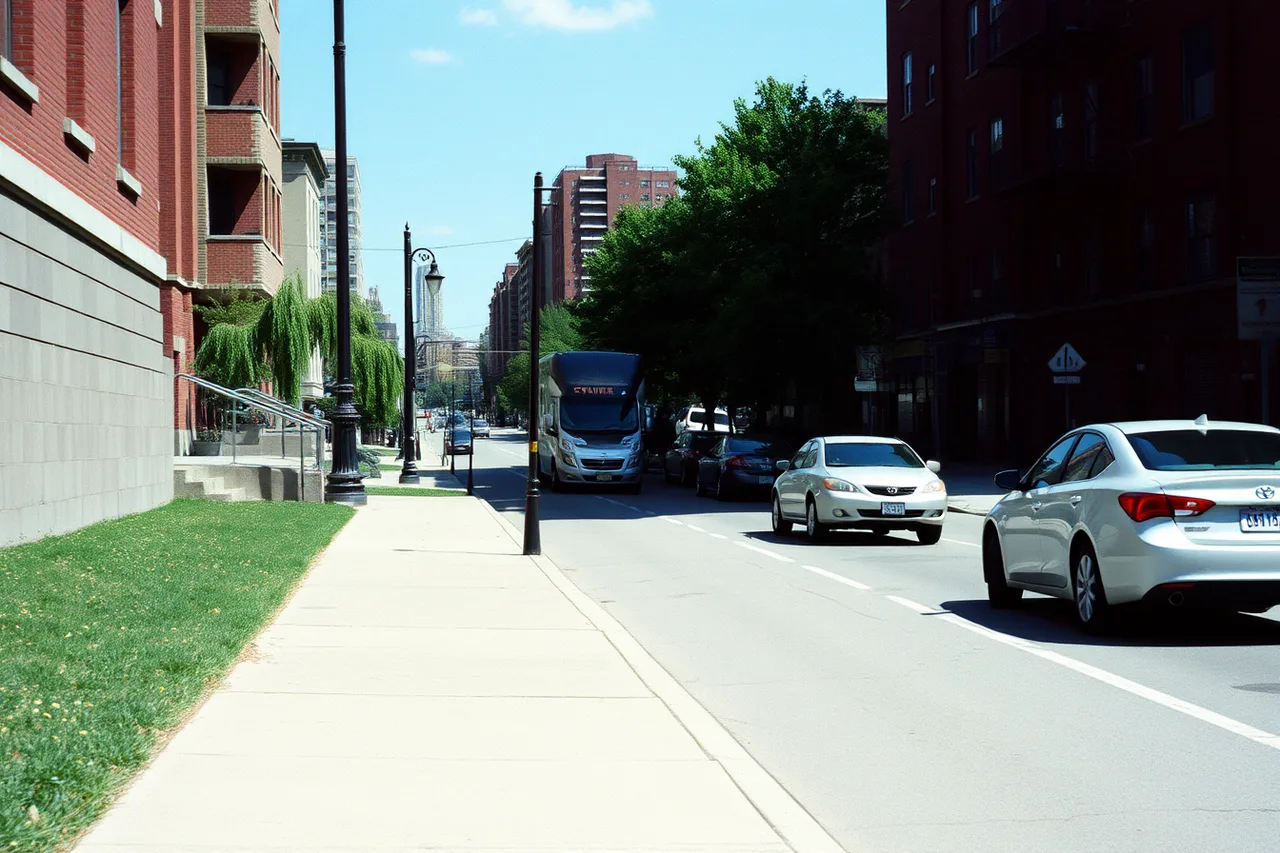
Check contour lines and street imagery before deciding something is rollable. Ask for the flat route rather than the short one.
Rangers, visitor center staff and the local center for independent living know the actual grade, because they cross it daily.
Health and stamina planning
Travel compounds heat, unfamiliar surfaces, poor sleep and disrupted routines.
The CDC's material on disability and health covers the general considerations behind that. For device selection, pressure relief or whether a specific condition suits a trip, ask your physician or physical therapist, not a travel article.
The travel version: medication in hand luggage, prescriptions and equipment details written down, and the nearest pharmacy and hospital identified before you need them.
The small things that catch people out
- Curb cuts on one side of a crossing and not the other.
- Accessible entrances locked, with staff needed to open them.
- Lifts switched off outside certain hours.
- Accessible restrooms used as storage.
- Wide doorways with a heavy self-closing door and no button.
None of these appears on a listing. Each is answerable by calling the venue with one specific question, and a photograph of the one that caught you out warns the next person.
For venue standards and compliance questions, Title III of the Americans with Disabilities Act (ADA) and the 2010 ADA Standards for Accessible Design are relevant. Building-code interpretations belong to the local building authority, and you should verify measurements directly rather than trust a guarantee. For route planning, focus on asking which entrance is usable and which approach reaches it.
The energy budget
Treat stamina as a fixed amount for the day. Every avoidable transfer, detour and long approach spends some of it.
Planning exists to spend it on what you came for. The overall approach is in the practical guide to accessible travel across the U.S., and the pacing that protects the energy budget turns a plan into a workable trip.
One more record worth keeping: a photographer's field list for wheelchair-accessible trips shows what to note at each stop so the next trip starts with numbers instead of guesses.
Is it worth calling ahead every time?
Yes. Two minutes on the telephone produces information no website carries, and the answer is usually a specific door, ramp or hour.
Who is responsible for the pavement outside a venue?
Usually the municipality. Venues can tell you the best approach and cannot fix the curb, so plan the route around what exists.
What if staff seem unsure?
Ask for a manager politely. Frontline staff are often new, and the answer usually exists somewhere in the building.
How much extra time should I allow?
Add half again on every leg for a first trip in an unfamiliar city, then adjust from what you measured.