Guides
Part of Accessible Weekend Destinations Ideas Across the U.S.
Packing for an accessible weekend: redundancy beats extra volume
Accessible weekend packing runs on spares, not volume: two chargers, two extra days of medication, printed confirmations, and a bag that stays with you.
What to take away
- Two days of travel needs more redundancy than a two-week trip, because a failed charger or a missing pill ends the weekend rather than denting it.
- Carry medication for the trip plus two extra days on your body, never in a checked bag or a car twenty minutes away.
- Print the confirmations. A confirmation that names the room type ends a check-in dispute that a phone screenshot prolongs.
- Match the kit to the terrainBadlands boardwalks publish excellent access and offer no shade at all, and a beach day adds salt, sand and moving water.
- Test every piece of equipment at home first.
The bag that never leaves you
One bag stays on your body through every transfer, every stop and every restroom. It holds medication for the whole trip plus two extra days, chargers and a spare cable, the printed document file, and anything whose absence would end the weekend.
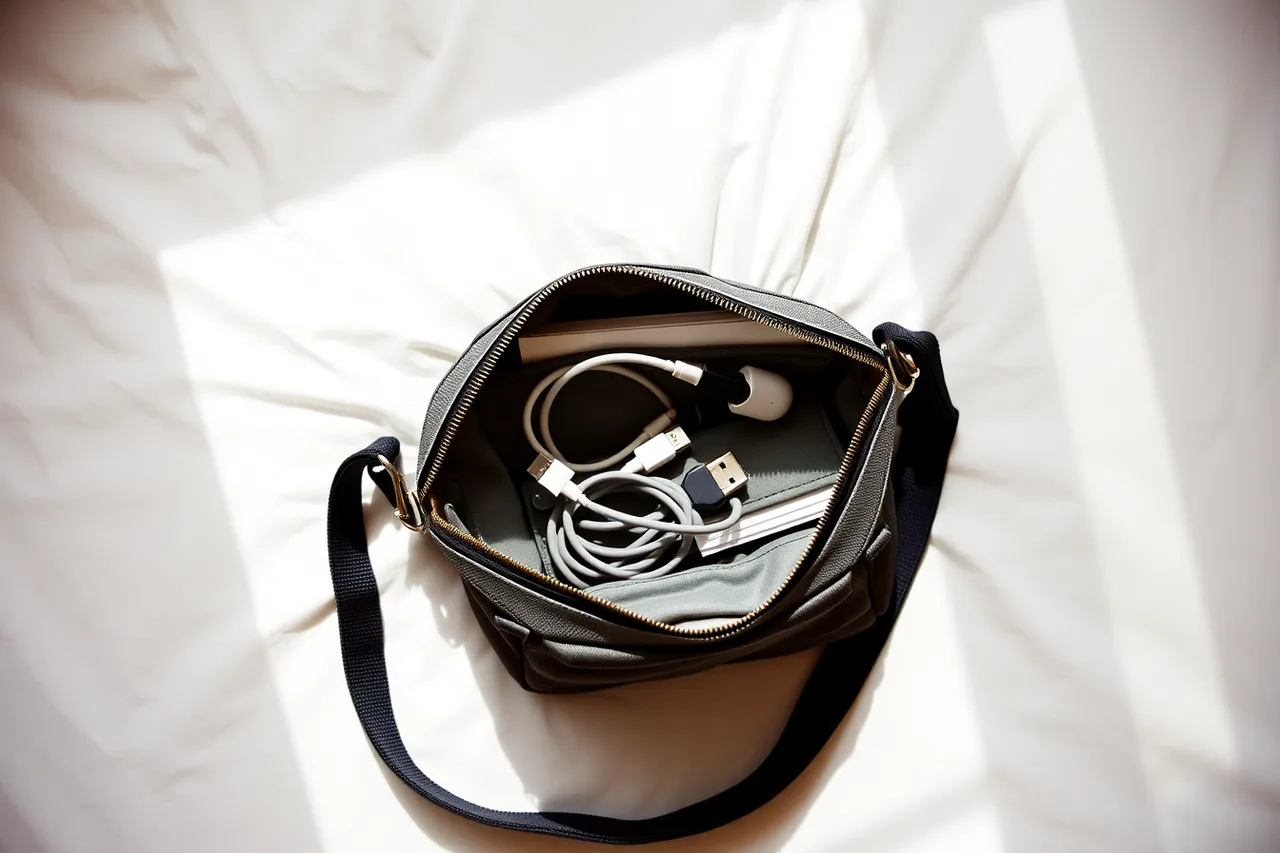
Everything else goes in a second bag that can live in the car or the room. Decide which bag is which at home, not at a curb.
Keep the first bag small enough to manage alone through a doorway, a train aisle or a hotel lobby.
The documents worth printing
- Booking confirmations showing the access details and the room type
- The equipment spec card, the one that lists dimensions and battery type
- Prescriptions or a current medication list
- Insurance details and two emergency contacts
Two sheets of paper settle desk disputes that a dead phone cannot. Charge the phone anyway, and keep a printed copy of the same file in the second bag.
Pack for the terrain
Exposed inland sites. Shade, water and sun protection, more of each than seems necessary. Badlands National Park publishes its accessibility information with the accessible overlooks and boardwalks, which are excellent and offer no shade at all.
Coastal weekends. Wind protection, a change of clothes, and covers that keep sand out of equipment. Read the National Weather Service's rip current safety guidance before any beach day, particularly where a beach wheelchair puts you closer to the water than you would otherwise go.
Cities. Less kit, more route planning: comfortable layers, a small bag, and something to sit on where seating is scarce.
Equipment worth carrying
- Spare battery or charger for anything powered
- Puncture repair kit or a solid tire insert for a manual chair
- The hex keys that fit your own equipment
- A short length of strap, which solves an implausible number of problems
- A folding stool or seat cane, where standing is the limit rather than walking
Leave the repair itself to a certified technician. Carry the tools your device manufacturer specifies, not a generic kit.
A worked example: the two-day arithmetic
Suppose your charger fails on Saturday morning of a Saturday-to-Monday trip. A spare cable costs a few ounces. A replacement charger bought in an unfamiliar town costs the afternoon you came for.
The same arithmetic runs on medication. Two extra days of pills weighs almost nothing and covers a delayed return, a spilled dose or a lost pouch. Running out on a Sunday means finding an open pharmacy in a town you do not know.
Apply the test to every item: if losing it ends the day, it goes in the bag that never leaves you. If losing it only annoys you, it goes in the second bag.
What not to bring
Anything you would be upset to lose in transit. A second bag you cannot manage yourself. Equipment you have not tested at home. A travel wheelchair for a two-day trip is rarely worth the weight unless you are flying, where it can reduce real risk.
The night before
Charge everything, test everything, and check the printed file against the bookings one last time. If equipment will be handed to anyone on the way, photograph it first with the date visible.
The seasonal version of this list is shaped by when you go, and the access details to confirm determine which optional items you actually need.
Common questions
How much extra medication should I carry?
Two days beyond the trip, at minimum, carried on you rather than in a checked bag or a car. Ask your physician or pharmacist about anything specific to your prescriptions.
Do I need a travel wheelchair for a weekend?
Rarely worth it for two days unless you are flying, where a lighter chair can reduce handling risk. Device selection is a conversation with your physician or physical therapist, not a packing decision.
Is a printed file overkill?
It is two sheets of paper and it has settled countless check-in disputes. Print the confirmations, the medication list and the insurance details, and keep the phone copy as backup.
What is most commonly forgotten?
Chargers, and sun protection at sites that publish excellent access and have no shade. Both are cheap to pack and expensive to replace on the road.