Features
Accessible Weekend Destinations Ideas Across the U.S.
Explore 17 accessible weekend destinations ideas across the U.S., with notes on terrain, transit, admission, and trip planning to help you shortlist places.
What to take away
- Use these accessible weekend destinations ideas as a starting point when choosing accessible weekend getaways. Flat and compact beats famous.
- The entries below include parks, city districts, trails, attractions and gardens; confirm current access details with each venue before booking.
- Plan one anchor a day, whatever you choose.
- Ask about doorway width, bathroom access and turning space before you book.
The seventeen, by name
1. National Mall, Washington, D.C. A level, compact museum district. The Smithsonian museums sit within a few blocks of each other, all with elevators and seating, and admission is free. The accessibility information for the National Mall covers routes, parking, entrances and services across the whole group in one place.
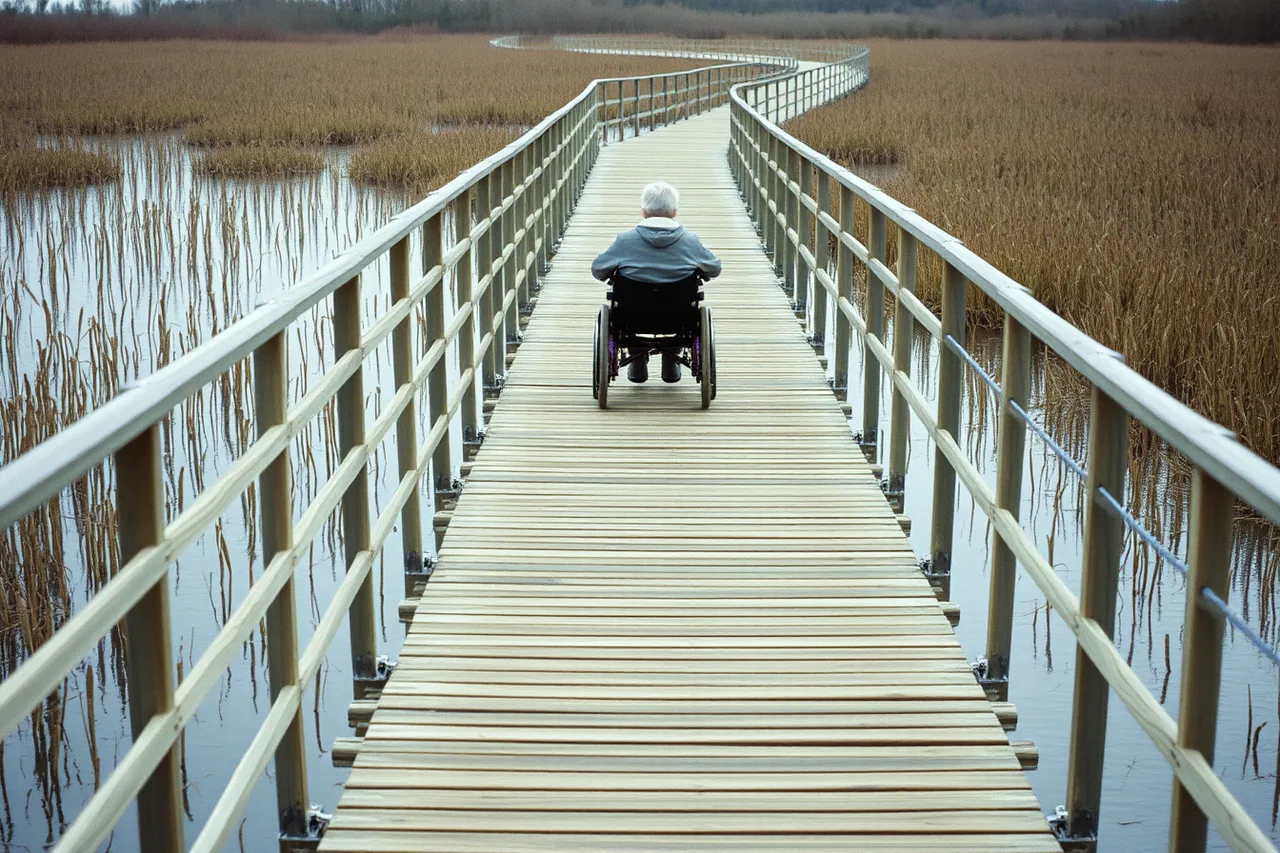
2. Anhinga Trail, Everglades National Park, Florida. A raised boardwalk over sawgrass and water, firm and continuous from the parking area. Alligators, herons and anhingas sit within a few feet of the rail. Park entry costs $35 per vehicle and covers seven days.
3. Bosque del Apache National Wildlife Refuge, New Mexico. A quiet, uncrowded refuge with an accessible viewing platform and a driving loop. Entry is free, and the sandhill cranes winter here from November to February. The refuge sits about 20 miles south of Socorro, off Interstate 25.
4. Colonial Williamsburg, Virginia. A level historic core with short distances between buildings. The main street is closed to cars, and the visitor center runs accessible shuttles. A single-day ticket typically runs about $50 for adults; walking the street itself is free.
5. Riverwalk, San Antonio, Texas. A paved promenade below street level, continuous along both banks. Stairs are the shortcut; the accessible route is the ramp network at each end, plus the elevator at the Shops at Rivercenter. It is free and open every day.
6. Watchman Campground, Zion National Park, Utah. An accessible campground with paved sites and a shuttle stop at the entrance. It costs a fraction of any room and books months ahead on recreation.gov. Tent sites run about $30 a night, and the park shuttle is free.
7. Shedd Aquarium, Chicago, Illinois. A full indoor day on one route. Every gallery connects without stairs, and the Oceanarium has seating facing the tank. Tickets typically start around $40 for adults, and the Museum Campus is served by CTA buses and the Roosevelt station.
8. Katy Trail State Park, Missouri. A crushed-limestone rail trail, flat by definition because railways could not climb. Trailheads every few miles, each with parking. It runs about 240 miles across Missouri, and the surface is firm but not paved.
9. Blue Ridge Parkway, Virginia and North Carolina. A scenic drive where the car does the work. Accessible overlooks with parking and level viewing areas are marked on the park's own maps. It is free and runs 469 miles between Shenandoah and Great Smoky Mountains national parks.
10. Boulder, Colorado. A university town with newer buildings, good transit and a level campus core. The creek path runs flat through the middle of town. The HOP, SKIP and JUMP buses are fare-free.
11. Longwood Gardens, Kennett Square, Pennsylvania. A public garden designed for slow movement on firm paths. The conservatory is fully indoors and the outdoor routes are graded. Timed-entry tickets typically run $25 to $35 for adults, and booking ahead is the norm in spring.
12. Portland, Oregon. A small city with light rail. One MAX line connects the airport, downtown and the convention district without a transfer. Adult fares run about $2.80, and MAX stations have level boarding.
13. Bar Harbor, Maine, in October. A resort town off season, quiet, with staff who have time. The carriage roads in Acadia are crushed stone and closed to cars. Park entry is $35 per vehicle for seven days, and inn rates usually fall after the second week of October.
14. Golden Gate National Recreation Area, California. A federal recreation area where facilities are held to published standards. The Marin Headlands visitor center and the Battery East trail are both graded. Most sites are free; Muir Woods needs a parking or shuttle reservation.
15. San Francisco waterfront, California. A boardwalk and pier district from the Ferry Building to Pier 39. Flat, paved and continuous, with accessible restrooms at both ends. The walk between the two is roughly a mile and a half of level pavement along the bay.
16. Grand Canyon Visitor Center, Arizona. A purpose-built visitor center as an anchor, with the Rim Trail running a short accessible loop from the door. Shuttles connect the village. Entry is $35 per vehicle for seven days, and the shuttle buses are free and take wheelchairs.
17. Minneapolis Skyway, Minnesota. Roughly 80 blocks of indoor, level walkway linking downtown hotels, restaurants and offices, so weather never decides the day. The Blue Line light rail runs from the airport to downtown without a transfer. Fares run $2 to $3 by time of day.
Why federal sites keep appearing
Federal recreation sites can be useful starting points because agency pages and reservation listings may describe access features. The recreation booking system's accessibility material shows what that looks like on the reservation side: accessible sites identified, passes and permits explained. Details vary by site, so check the listing and contact the venue before booking.
What makes a weekend fail
Three things, consistently. A destination chosen for its reputation rather than its terrain. A schedule with three anchors in it. And a single point of failure, usually one elevator or one accessible restroom, with no alternative planned.
A one-anchor day leaves more room to adapt if a route, restroom or schedule does not work as expected. A tightly packed itinerary leaves less room to change plans.
How to choose between them
Terrain first: flat wins. Density second: everything within a short distance. Publication third: places that tell you the details before you arrive.
Fame comes last, and it can cost more. For the public-land ones, confirm current fees and access details before booking. Ask the venue for its door widths, turning radius and bed height in writing.
Your own nearest known-good weekend beats all seventeen, because you already know which doors fit.
A worked example: the two-day shape
The same structure fits all seventeen. Substitute your own destination and timings.
- Day one morningone anchor. Arrive at opening, stay two hours, leave before the crowd builds.
- Day one afternoonone rest. Back to the room, or a cafe with a level entrance and an accessible restroom.
- Day one eveningone fallback. A short, known-good option if the first plan fails.
- Day two morningone anchor. A second site, ideally within the same district.
- Day two afternoonthe drive home, with a planned stop at the halfway point.
The two-day shape applies to all seventeen, and the access details worth confirming are the same list wherever you go.
Are national parks realistic for a weekend?
The ones with paved loops, shuttles and visitor centers, yes. Zion, the Grand Canyon and Acadia all fit a two-day trip. The remote ones need more time.
Is a city easier than a park?
Usually, for transit and services. Parks frequently publish better information, so the planning is easier even when the terrain is not.
How far is a reasonable drive for a weekend?
Three hours each way is comfortable. Beyond that the weekend is mostly the car, and the arrival day is spent recovering rather than out.
What if my nearest city is hilly?
Look for the flat district rather than writing off the city. Almost every one has a level quarter, usually the waterfront or the university.
In this guide
- How to time an accessible weekend trip around crowds and heatTime an accessible weekend trip around shuttle seasons, snow clearing on accessible routes, and beach matting, so the access you booked is actually open.
- Packing for an accessible weekend: redundancy beats extra volumeAccessible weekend packing runs on spares, not volume: two chargers, two extra days of medication, printed confirmations, and a bag that stays with you.
- 7 things to weigh up on accessible weekend destinationsSeven factors decide whether an accessible weekend works: verified room measurements, refundable rates, transfer count, and free federal land.
- Where accessible weekend guides come from: rangers, not travel agentsFind accessible weekend guides through park staff, a CIL directory, adaptive recreation programs, and practical checks for paid guides.
- 5 access details worth confirming before an accessible weekend tripFive access details decide whether an accessible weekend trip works, and the restroom and the last hundred meters are the two that fail most.