Industry
Part of Accessible Weekend Destinations Ideas Across the U.S.
Where accessible weekend guides come from: rangers, not travel agents
Find accessible weekend guides through park staff, a CIL directory, adaptive recreation programs, and practical checks for paid guides.
What to take away
- Ask the site's own staff first. Rangers and visitor center staff know which route actually works today.
- Centers for independent living exist in most regions and know local access in detail.
- Local disability organizations answer questions no tourism office can.
- A guide with lived experience of the same access needs is worth more than a certified one without it.
Accessible weekend guides rarely come from a tour company. For accessible weekend destinations, start with people who deal with the place daily.
Start with the site's own staff
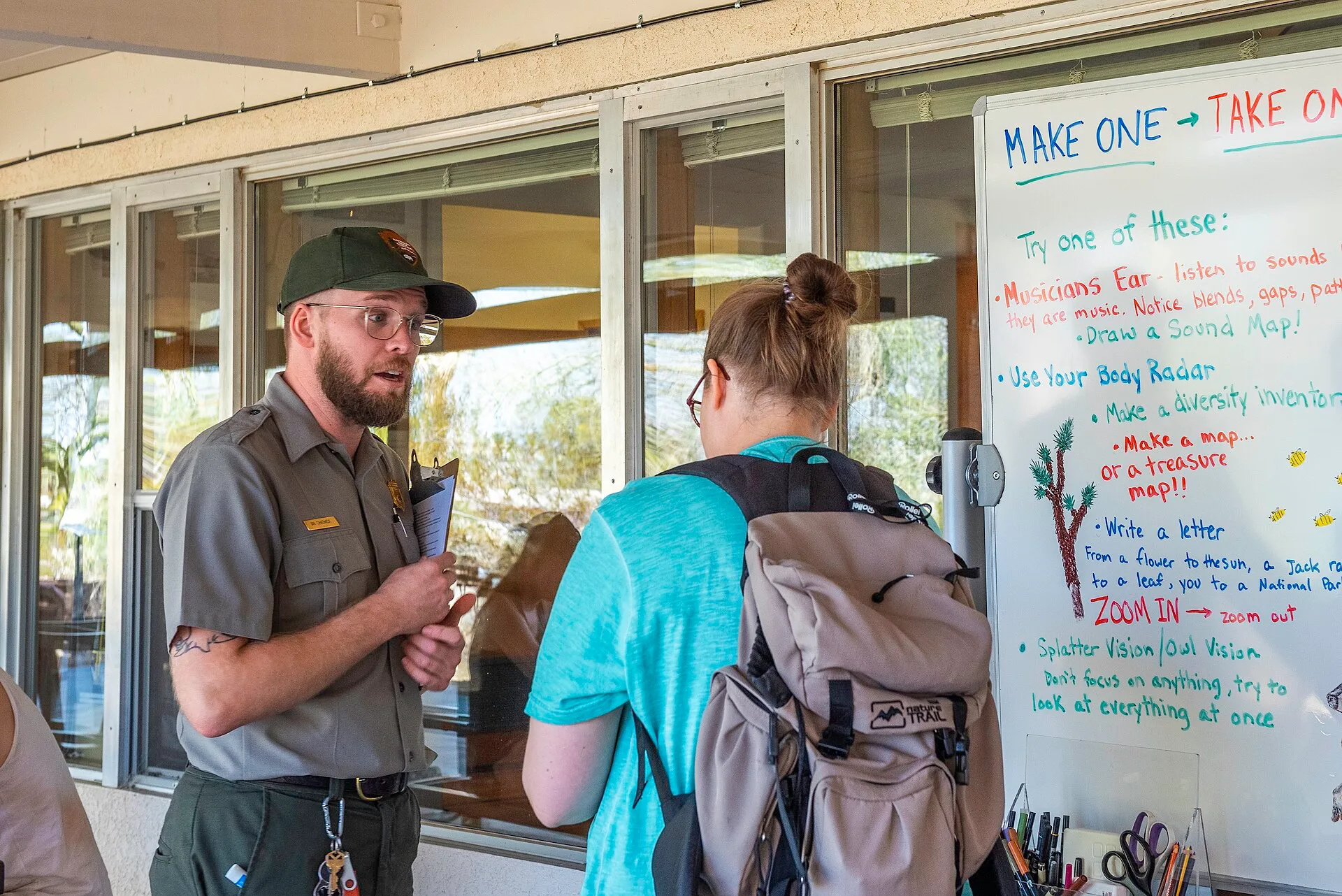
Visitor center staff and rangers know what is closed, which lift is broken, which entrance is easiest and which viewpoint has parking beside it.
Large parks structure this and publish it. Olympic's accessibility pages cover accessible trails, facilities and services across a park with several very different areas, which is exactly the situation where a conversation with staff beats a map.
Call the visitor center rather than a central number, and ask the specific question. At Olympic, for example, ask about current access conditions on the Madison Falls Trail and who at the park can answer detailed access questions. Answers are current in a way no webpage is.
Ranger and interpretive programs
Guided programs at public sites are frequently free, scheduled, and more adaptable than they look.
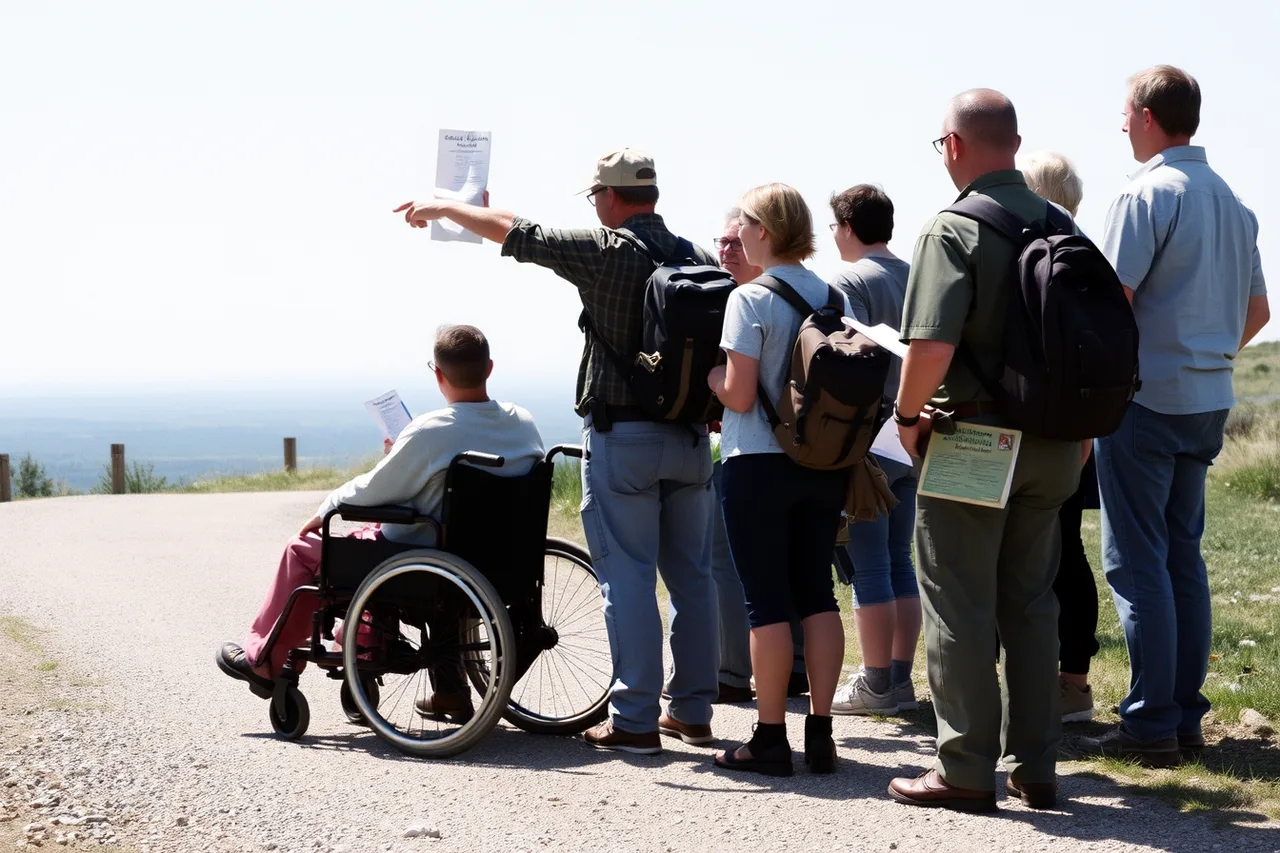
Denali publishes what it offers and how in its accessibility information, including transport provision within the park, which in remote places is the difference between seeing it and not.
Ask whether a program can be adapted: a slower pace, a shorter route, a different meeting point. For example, ask whether activities in the National Park Service's Junior Ranger program can be adapted. Staff frequently say yes, and nobody thinks to ask.
Centers for independent living
Most regions have one, and they are the single most underused resource in accessible travel.
They know which streets are passable, which restaurants have a step, which taxi companies have an accessible vehicle, and which hotel actually has a roll-in shower rather than a bath with a seat in it. Their job is local disability support rather than tourism, and they answer visitor questions readily.
Find the CIL serving your destination through ILRU's Directory of Centers for Independent Living, then call it ahead of your trip. Access Living in Chicago is one example of a CIL.
Local disability organizations and groups
Sport and recreation groups, adaptive outdoor programs, and social groups all hold detailed local knowledge and are frequently glad to help a visitor.
Adaptive recreation programs in particular can lend equipment, suggest routes and occasionally provide a volunteer guide. Examples include the National Ability Center in Park City, Utah, and Adaptive Adventures. Check directly whether they serve your destination and accept visitors.
What to look for in a paid guide
- Lived experience of the same access needs, or long practice with them
- Willingness to say what is not possible
- A specific route, described stop by stop
- Their own transport arrangements, stated plainly
- A cancelation policy that works both ways
- For a mountain guide, verify any claimed certification with the American Mountain Guides Association (AMGA); its credentials address mountain guiding, not accessibility.
Other travelers, used carefully
Online groups and reviews from disabled travelers are useful and need reading critically, because access needs differ and a route that works in one chair does not work in another.
Take the specifics and leave the verdicts. A review saying the entrance ramp is steep with no landing is information. One saying the place is not accessible could mean anything.
Where somebody has posted photographs and measurements, they have done you a real favor, and returning the same five frames afterwards costs two minutes a place.
How to ask
Say what you need rather than what you are. Give the dates, the specifics and one clear question. Offer to pay where a business is giving you real time.
Use the access details as a checklist for questions about routes, facilities and services before contacting park staff, a CIL or an adaptive program.