Guides
Part of Where five real accessible trips nearly went wrong
Accessible trip booking: questions to ask before you pay
Accessible trip booking checklists for hotels, transport, flights and venues: the questions to ask in writing before you pay.
What to take away
- A case study earns its place only if it changes a booking you have not paid for yet.
- Ask for numbers in writing. A reservation and a noted request are different things.
- Air travel questions have published answers, so read the source instead of a call center.
- Ask what happens when the thing you are relying on is unavailable, and get a name.
- One page per trip holds the confirmations, names, times and measurements.
The questions below are grouped the way a trip is booked. Each one exists because something went wrong for somebody in that exact place. The venues worth trusting publish their own measurements and their own limits before anybody asks.
Hotel questions
- Is the accessible room reserved, or is the request noted? Get the answer in writing.
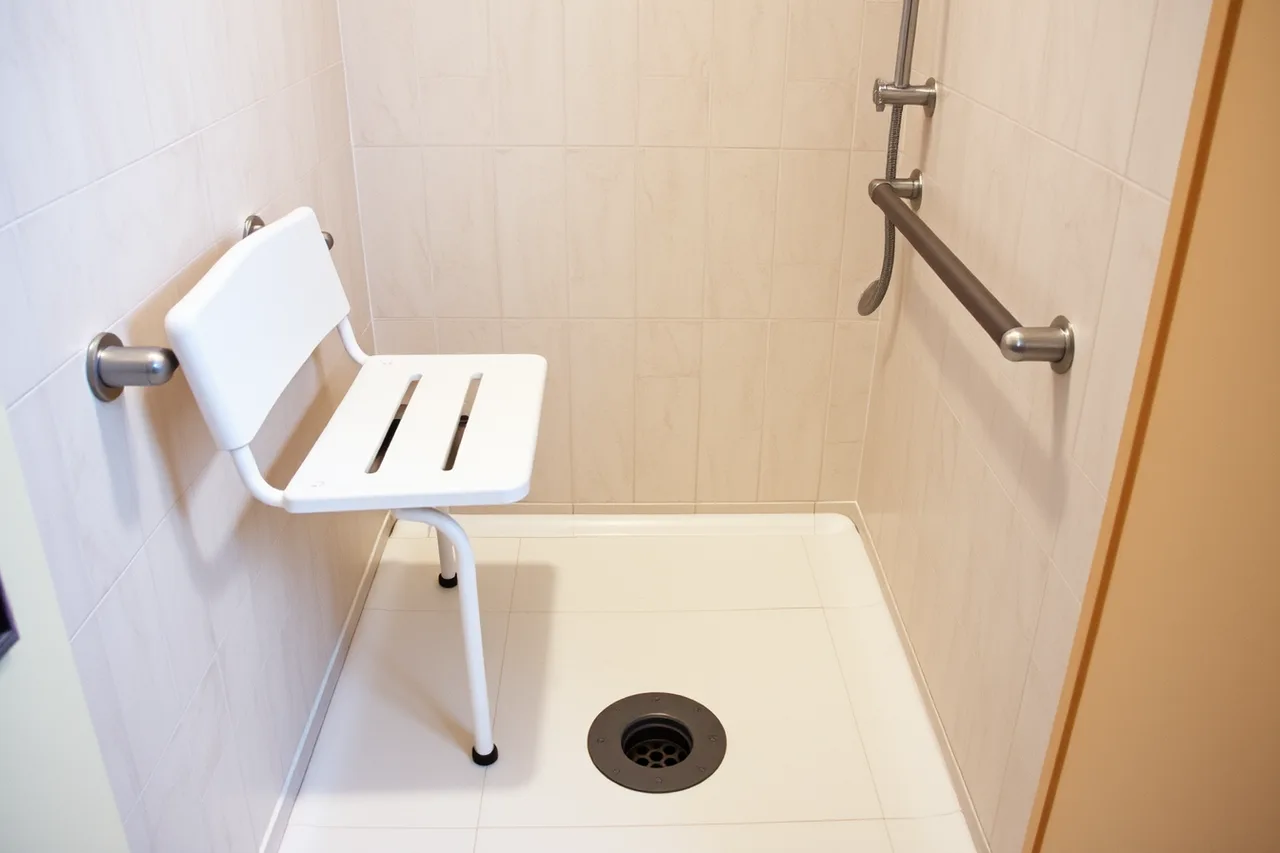
- What is the bathroom configurationroll-in shower, transfer shower, or bath with grab bars?
- What is the door clear width, in inches, at the room and the bathroom?
- What is the bed height from the floor to the top of the mattress?
- How far is accessible parking from the room, and is that route level?
- What is the evacuation procedure for a guest who cannot use the stairs?
A room described as accessible without numbers is a request, not a reservation. That distinction is where most of these trips fail. Under the Americans with Disabilities Act, the 2010 ADA Standards for Accessible Design set a 32-inch minimum clear width at doors on an accessible route and put accessible parking on the shortest accessible route to an entrance. A property that cannot confirm both has told you something worth knowing.
Transport questions
- Who provides assistance at each end, and what is the booking reference for it?
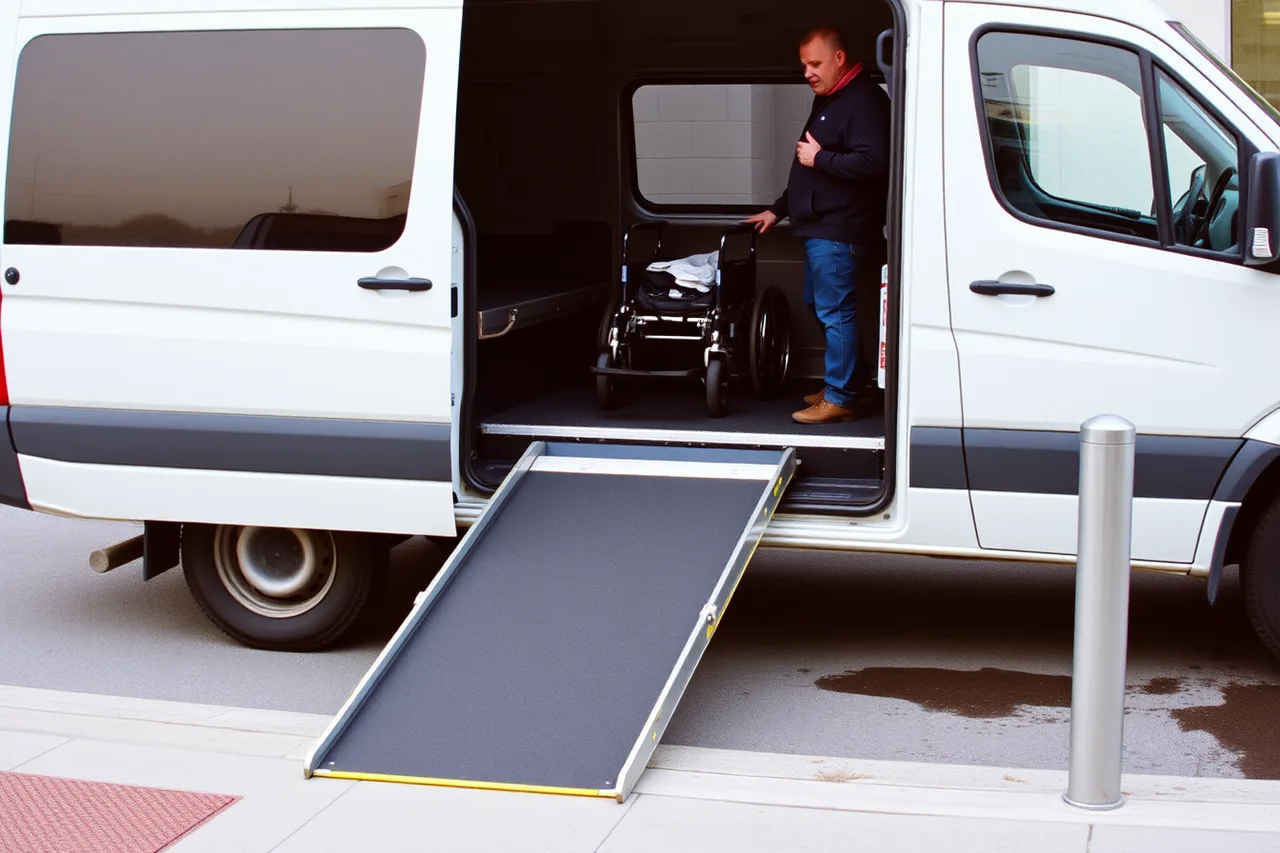
- What is the vehicle, and what is its ramp weight rating?
- How long is the connection, and what happens if it is missed?
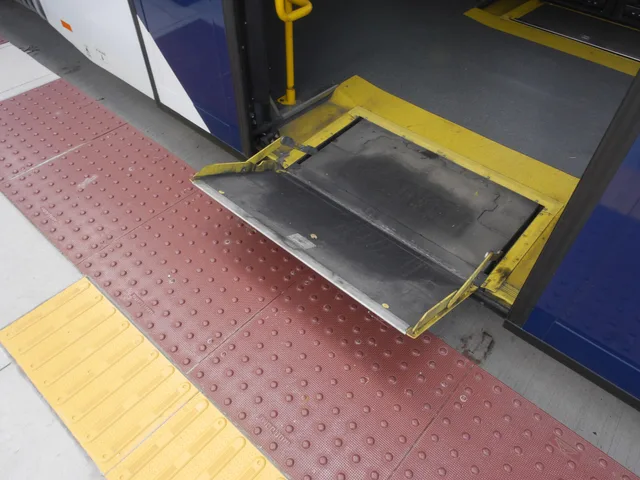
- Where does the driver actually stop, as opposed to where the map says?
The last one is the one people skip. A map pin on a pedestrian plaza is not a curb a van can reach.
Air travel questions with published answers
The Air Carrier Access Act is the US law that governs air travel with a disability, and the Department of Transportation enforces it. When an airline refuses a request and will not fix it, the complaint goes to the DOT's aviation disability complaint office rather than to the airline alone.
Two questions come up at booking that a call center often gets wrong. Check the source instead.
Medically necessary liquids are the first. TSA's liquids, aerosols and gels rule sets out the quart-sized bag and the 3.4 ounce limit for ordinary carry-on liquids. That limit is the baseline the exemptions for medical items are measured against. Tell the officer about medically necessary liquids at the start of screening rather than waiting for them to be found.
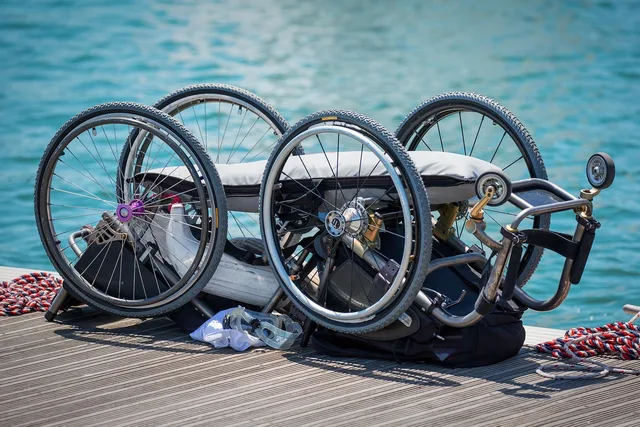
Batteries are the second. The FAA publishes a printable battery chart covering what may travel in carry-on and checked baggage, with separate entries for wheelchairs and mobility devices.
Print it, carry it, and send it to the airline with your device details when you book. An argument at a gate is shorter when both parties read the same page.
Venue questions
- Which entrance should I use, and is it staffed on the day I am coming?
- Is the lift working this week, and what is the alternative if it fails?
- What assistive listening or captioning is available, and does it need booking?
- Where is the nearest accessible restroom to the part I am visiting?
- Can I arrive at opening, when staff have time?
A worked example of the two questions that apply everywhere
Ask what happens when the thing you are relying on is unavailable. Then ask for the name of the person who confirmed it.
Say a hotel confirms a roll-in shower for a Tuesday arrival. The lift that serves the accessible wing is out for scheduled service that week, and nobody thought to mention it.
The first question surfaces the alternative before you pay.
The second gives you a person to ask for when the desk clerk on the day has never heard of your booking.
A confirmation attached to a name survives a shift change. A confirmation attached to nothing does not.
Those two questions take about ten seconds each. They do more work than the rest of the list combined.
Writing it down
Keep one page per trip: confirmations, names, times and measurements. For how each of these questions came up in practice, read five accessible trip case studies. Booking mistakes and the questions they raise cover the same ground from the failure side.
Common questions
These are the ones that come up most often at the desk and on the phone.
Is email or telephone better?
Telephone to get the answer, email to record it. Do both, in that order.
What if a property refuses to confirm in writing?
Treat that as an answer and book elsewhere if you can.
How far ahead should these questions be asked?
At booking, and again a week before. Buildings change and staff rotate.
Do I need to explain my disability to get an answer?
No. Ask for measurements and configurations, which is information any property should hold anyway.