Features
Part of What to know before a wheelchair accessible trip: chair measurements, transfers and repair plans
Six wheelchair accessible trip shapes that work reliably
Six trip shapes for wheelchair accessible travel in the US, from boardwalk parks to compact historic cities, with what to verify before booking.
What to take away
- Boardwalk parks are the most reliable outdoor trips in the country: no steps, edge rails, board gaps under half an inch.
- Compact historic cities work well where the core is flat and the sites sit within a few blocks.
- One base and radial day trips beats moving hotels every night.
- Repeat what works. A trip shape that suits you is worth using again in a different place.
Some trip shapes work far more consistently than others. These six are worth trying in order, because each teaches something that makes the next one easier.
1. The boardwalk park
The most dependable outdoor trip available. No steps at either end, edge rails, and gaps between boards under half an inch. Trail lengths are published per trail: the Anhinga Trail is roughly 0.8 miles, and the Shark Valley tram runs a 15 mile loop.
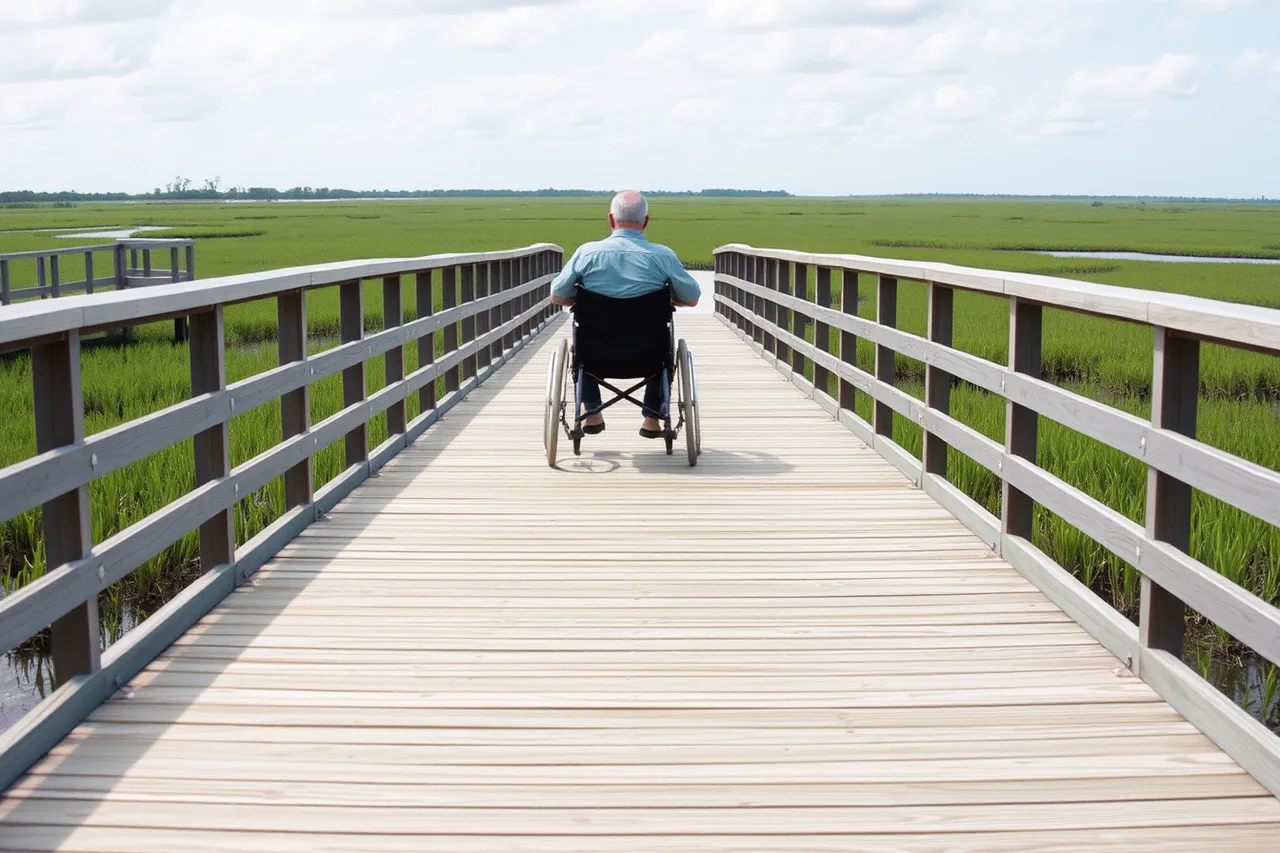
The Everglades is the clearest example, and its accessibility pages set out the accessible trails, boardwalks, visitor centers and tram provision, which between them make a full day possible without improvisation.
The page is titled Accessibility, at nps.gov/ever.
Wildlife, distance and no surface surprises. Start here if outdoor trips have gone badly before.
2. The compact historic city
A city where the core is flat, the blocks are short and the sites are within a few streets of each other.
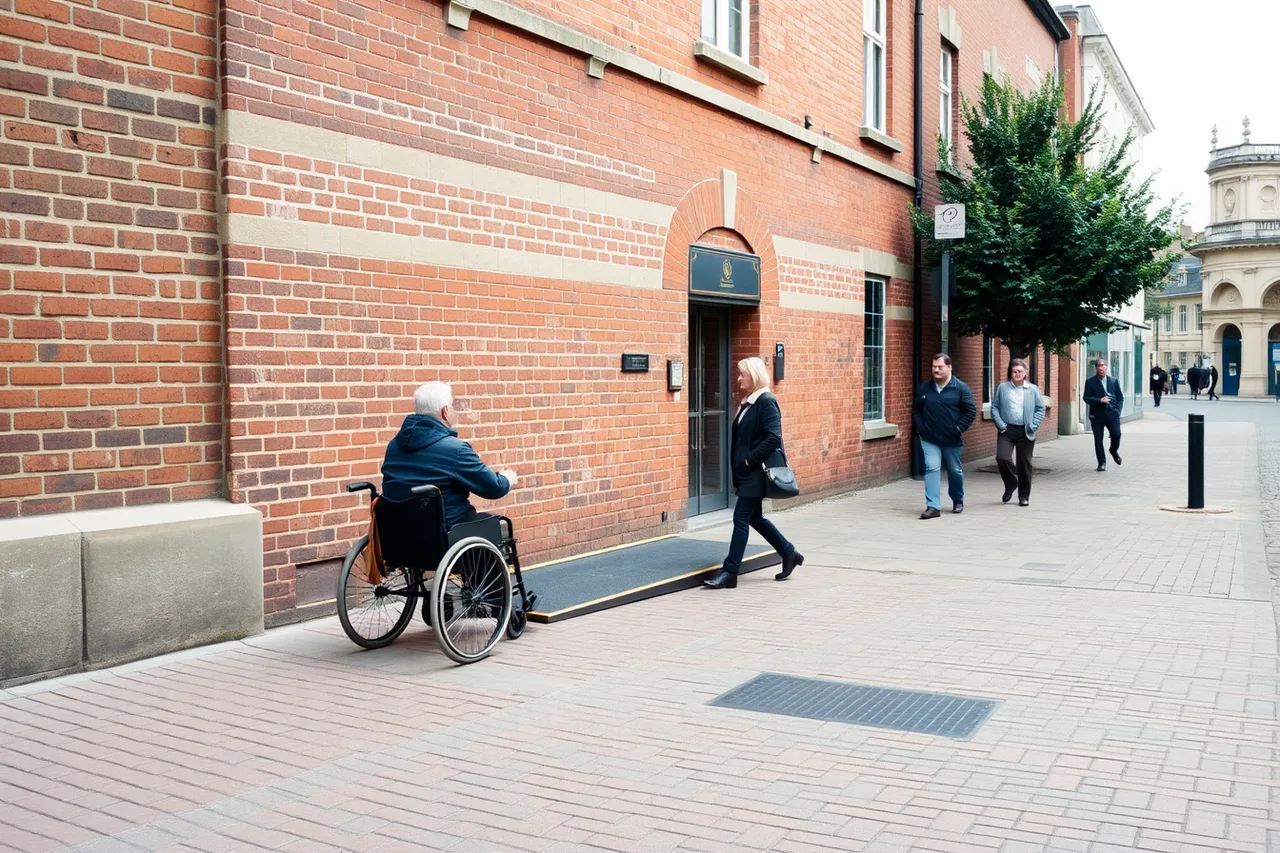
Independence in Philadelphia is a good model, and the park's accessibility information covers the buildings, the entrances and the services across a group of sites you can move between easily.
The Liberty Bell Center, Independence Hall and the Independence Visitor Center sit within roughly two blocks of each other on Independence Mall. The page is titled Accessibility, at nps.gov/inde.
Historic buildings vary in what they can offer inside; the compactness is what makes the day work.
3. One base, radial days
Stay in one accessible room for four nights and take day trips outward. What that room is within reach of becomes the whole trip, so compare candidates on their surroundings rather than their star rating.
Tucson is a workable version: one hotel near the center, Saguaro National Park as one day, the city's sights as the others. Accessible rooms typically cost the same as the standard room, so supply, not price, is the limit.
You verify one room, one route to it and one parking arrangement, then reuse them. Moving hotels every night means doing that work five times and carrying the risk five times.
4. The rail-anchored trip
Take the train to a city with reliable accessible transit, and use nothing but transit and short walks for three days.
Washington works: Amtrak to Union Station, then Metrorail, which posts elevator and escalator outages by station. Amtrak asks for 24 hours notice for boarding assistance, and wheelchair space on each train is limited.
No adapted vehicle to arrange, no parking, and the chair stays with you throughout.
5. The single-museum day
One large, modern museum, with a long lunch and an afternoon in a second gallery within the same building.
The Metropolitan Museum of Art in New York is the standard case: step-free entrances and lifts to every floor.
Modern cultural buildings are among the most accessible spaces in the country: lifts, level floors, seating and staffed information. Several of them within a few blocks makes a flat museum district, which is the most reliable city weekend there is.
6. The repeat trip
Go back to a place that worked. The second visit costs a fraction of the planning, and you spend the saved effort on the things you missed.
A second Everglades trip, same hotel and same two day trips, is the practical version.
There is no prize for novelty. A destination you have already verified is a real asset.
How to combine them
Two of these in one week is comfortable: a base with radial days, and a boardwalk park as one of the days.
Three is usually too many. The repeat trip is the exception.
Build the week around whichever of them you have done before, and add exactly one new thing. That is how the list gets longer over years without any trip becoming an experiment.
What these have in common
Short distances, few transfers, predictable surfaces, and a published level of detail you can check before booking.
The planning behind any of them is in the practical planning steps, and the transport comparison decides which of these six is realistic from where you live.
How to check accessibility before you book
Each NPS park keeps a page called Accessibility under Plan Your Visit, which is where trail lengths and building access come from. Transit operators publish access pages listing which stations need a lift.
For hotels, ask for numbers, not the word accessible: door width, turning space, bed height, and whether the bathroom has a roll-in shower or a tub with a seat.