Features
Part of Accessible tour operators: the boundary question that decides who you hire
Photographing an accessible tour: what belongs in the frame, and what does not
What to photograph on an accessible tour so a reader can judge the product, how to get consent properly, and what never belongs in the frame.
What to take away
- Photograph the thing that fails, not the view. Thresholds, ramps, bathrooms and vehicle interiors.
- Consent is specific, written and reversible, and the trip has to work for somebody who says no.
- Include a scale object in every access photograph. A folding rule beats a caption.
- If you publish video, caption it. Uncaptioned video excludes part of the audience you are documenting.
A photograph of a smiling group on a boardwalk tells a reader nothing about whether they could do the trip. A photograph of the boardwalk entrance with a tape measure across it tells them almost everything. The field list below is for documenting a tour product rather than the people buying it.
Consent before anything else
Ask before the trip, in writing, and again on the day. Say where the images will appear, for how long, and that a person may withdraw later.
Build the day so that declining costs nobody anything. If the only way to opt out is to sit apart from the group, the consent was not real.
Never photograph transfers, personal care, medication or a person's body without an explicit request for that specific frame. The default answer is no.
The shots that carry information
- The entrance threshold, photographed square on, with a rule or a known object for scale.
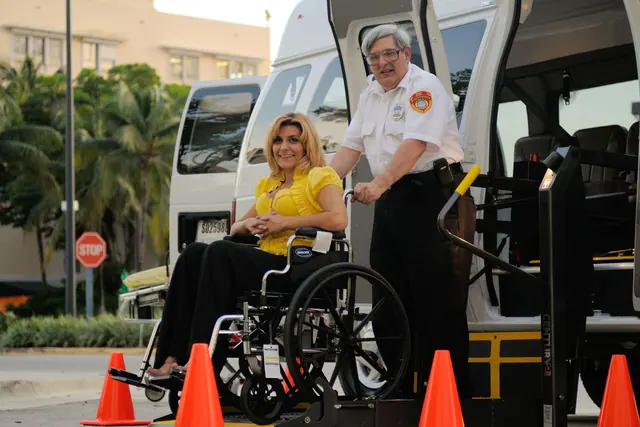
- The vehicle ramp deployed, from the side, showing the slope and the ground it lands on.
- The bathroom, wide enough to show the transfer space and the grab bar positions.
- The route surface, close and low, so gravel, cobbles and gaps are visible.
- The rest points, with seating and shade, because their spacing decides the day.
Each of those answers a question a reader would otherwise have to ask by telephone.
What to record beside the image
A photograph without numbers ages badly. Note the date, the measured width, the gradient if you can, and the name of the person who confirmed the detail.
Write down what you could not photograph as well. A missing shot of the accessible entrance usually means there was not one.
Kit, and getting it through the airport
Travel light enough that you can still help nobody and carry your own bag. Batteries, tripods and tools are the parts that cause delays. The rule about managing your own kit through every part of the day applies to the photographer as much as to anybody else on the trip.
TSA's searchable list of what may be carried covers thousands of items and gives the carry-on and checked answer for each, which is worth checking for anything with a blade, a battery or a compressed gas cylinder in it before you leave home. The final call still rests with the officer at the checkpoint.
Video, and the obligation that comes with it
If the tour operator wants video, captions are part of the deliverable rather than an extra.
The NIDCD's overview of captions for deaf and hard of hearing viewers distinguishes open from closed captions, describes real-time captioning, and explains the difference between edited and verbatim captions. Verbatim is what an access review needs, because paraphrasing a guide's answer about ramp gradients loses the answer.
Filing and handing over
Deliver the images with the measurements attached, and with a plain note about which frames are staged and which are not.
The comparison work these images feed is in the sixteen kinds of operator, and the equivalent brief for buildings rather than tours is the hotel field list.
Common questions
Can I photograph inside a museum on a tour? Ask the site, not the operator. Rules differ by gallery and by exhibition.
Should I photograph people at all? Only with consent, and only where the person is doing something the reader needs to see.
What if the operator wants only flattering images? Say up front that you will photograph what is there. An operator who refuses that has told you something useful.
How many photographs does one venue need? Six to ten purposeful frames beat sixty. Entrance, route, bathroom, seating, vehicle, and whatever went wrong.