Features
Part of Mobility friendly hotels comparison: three tiers, scored
Photographing mobility-friendly hotels: bathroom first, then the exits
Photograph a mobility-friendly hotel room in a fixed order, bathroom first, with a tape measure in every frame so the next guest can check the numbers.
What to take away
- Shoot the bathroom first and completely. It decides whether the room works.
- Put a tape measure in every frame. A photo without a number is an opinion.
- Record the clear door opening, not the door size printed on the plan.
- Photograph the alarm and notification equipment, and write down how you requested it.
- Shoot the route from parking bay to room door, because that is where trips fail.
Hotels describe rooms in words that flatten very different layouts into one. "Accessible room" can mean a roll-in shower with a 60-inch turning circle or a tub with a grab bar and a wide door. Photographs with measurements are the only record that separates them, and the same habit works at every entrance and threshold on the trip.
Bathroom first
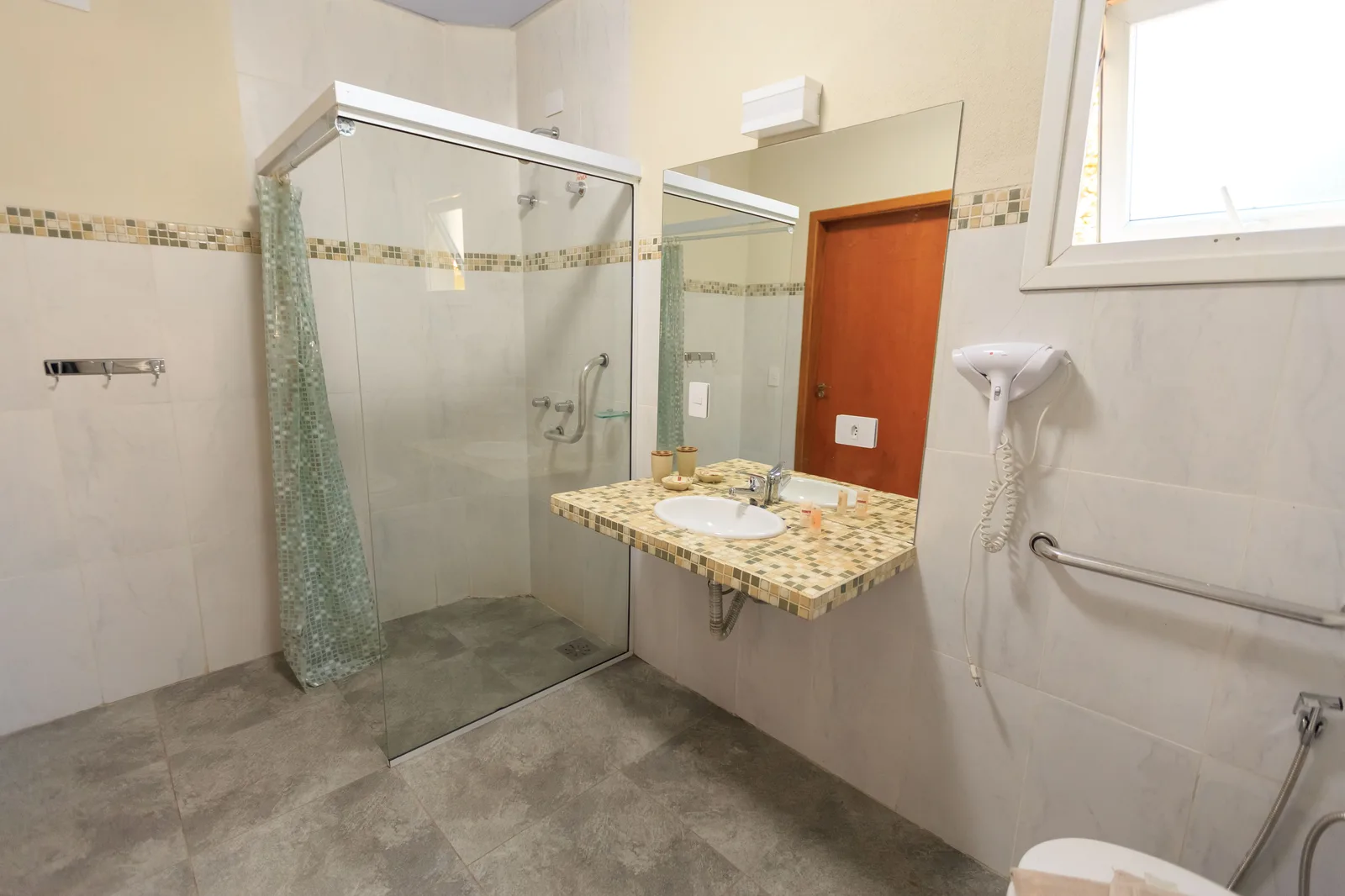
Six frames, in this order:
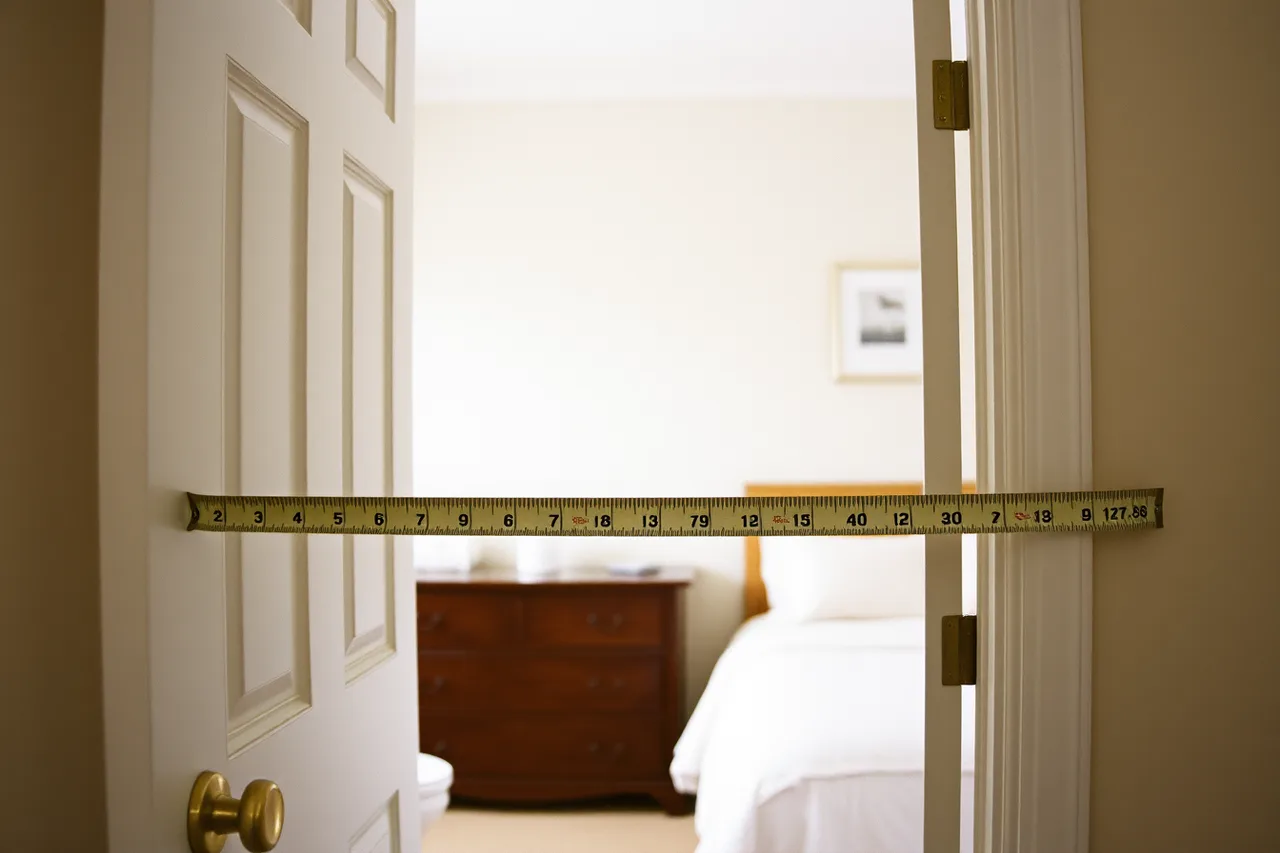
- The doorway from the bedroom, door open, tape measure across the clear opening.
- The whole room from the doorway, so the layout is readable in one look.
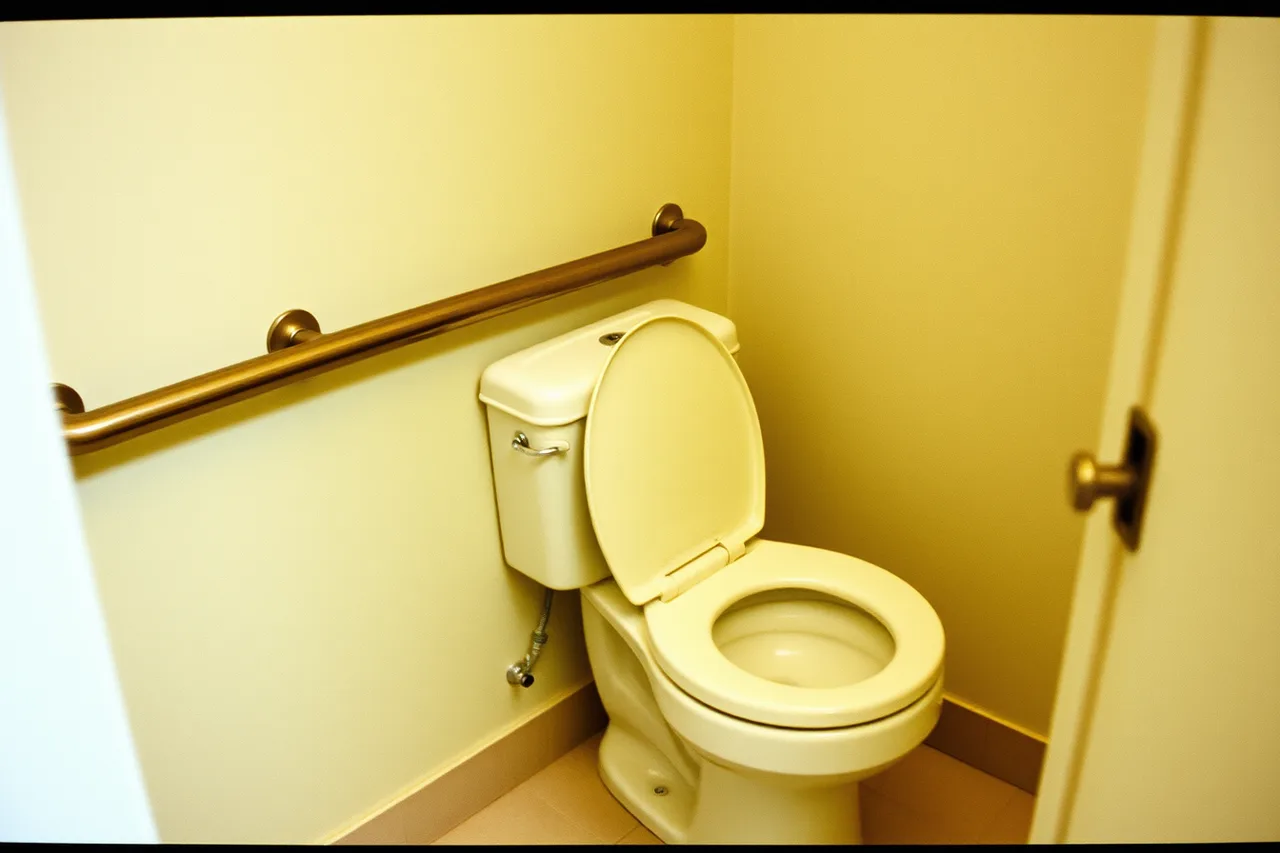
- The toilet with grab bars visible, showing which side the transfer space is on.
- The shower or bath, showing threshold height and whether a seat is fixed or folding.
- The controls, shot from seated height so reachability is visible.
- The sink, showing clearance underneath and whether pipes are wrapped.
That set answers nearly every question the next guest will ask. Shoot the clear opening, not the door slab: a 32-inch door in a 30-inch frame is a 30-inch opening.
The bedroom
Door width, the space beside the bed on the transfer side, bed height with the tape against the mattress top, the route from door to bathroom, and socket and switch positions.
Bed height is the measurement most often missing and most often decisive. Mattress top to floor, in inches, is the number a traveler needs.
Alarms and notification
Photograph the smoke alarm, any visual alert device, the telephone and whatever notification equipment the room carries.
The equipment is a category of its own. The National Institute on Deafness and Other Communication Disorders lists the range of assistive devices for hearing, voice, speech or language disorders, which is the background to what a hotel should provide on request.
If a kit arrives, photograph it and note how you asked for it. That tells the next guest which desk knows the procedure.
Fire safety and evacuation
Photograph the evacuation plan on the back of the door and the nearest accessible exit route.
Notification and escape planning for guests who cannot hear a standard alarm or use stairs is a specific field. The United States Fire Administration's material on fire safety for people with disabilities covers the equipment and the planning, including notification devices and escape routes.
Ask at check-in what the procedure is for your room. If they hand you anything written, photograph that too.
Lighting and contrast
Photograph the room as lit, without adjusting exposure, so the image shows what the lighting does.
Contrast between surfaces, step and threshold edges, and window glare all decide usability for guests with low vision. Note whether the bathroom switch sits outside the door and whether corridor lighting is even or pooled.
The route
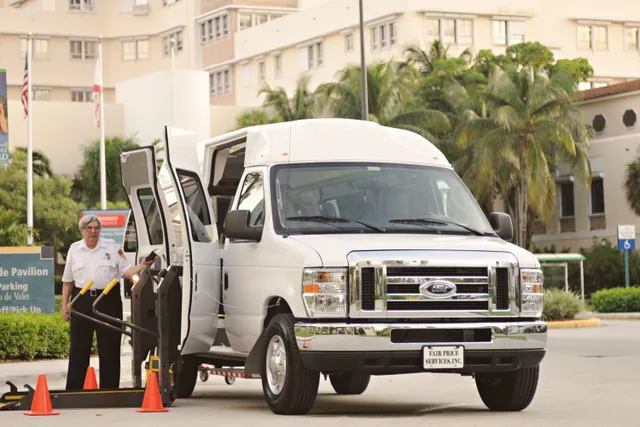
Four frames from the accessible parking bay to the room door: the bay, the entrance, the lift, the corridor. Include every threshold and ramp.
That route is one of the two things people forget to ask about until they arrive.
The shared spaces
Five frames on the way in or out turn a room record into a property record.
The accessible entrance, showing whether it is the main door. The lift, showing door width and control height. The lobby restroom with the door open. The breakfast room, showing table clearances. And the lift-to-room route, where unexpected steps live in converted buildings.
Take them once, on arrival, while you are already looking at everything.
Captions and sharing
Property, date, room number, measurements, and anything you could not verify. Post it where other travelers will find it.
Which properties are worth the effort is covered in which hotels make sense, and the planning steps cover getting the room confirmed before you arrive.
Common questions
Will a hotel mind me photographing the room?
It is your room for the night. Photographing shared areas is worth mentioning at the desk first.
What should I carry?
A small tape measure. It weighs nothing and it turns a description into a number someone can check.
Is it worth photographing a bad room?
Especially a bad room. That is the record nobody else has, and it is the one that saves the next guest a wasted booking.
Where should I post them?
Accessibility review platforms and mapping projects, and send them to the hotel as well. Some properties fix what gets documented.