
Industry
Accessible tour operators: the boundary question that decides who you hire
Accessible tour operators differ by what they sell and where they draw the boundary line, and that boundary question decides which kind of company you hire.
What to take away
- Wheel the World publishes bed heights, door widths and bathroom turning space for the hotels it lists, and books the room.
- Wilderness Inquiry runs canoe, kayak and camping trips on the Mississippi and in the Boundary Waters, with adaptive seats and staff who paddle.
- Disabled Sports USA affiliates teach adaptive skiing, cycling and paddling by the day and rarely arrange lodging or flights.
- The boundary question is where an operator's responsibility stops, and the answer sorts every company on this list.
- Ask for numbers, not adjectivesramp weight rating, interior height, staff ratio overnight.
The companies below are real and checkable. Each sells something different. Ask where their responsibility stops before you ask the price.
The operators that publish measurements
Wheel the World lists hotels and tours with the numbers that matter: door width, bed height, turning radius in the bathroom. It books the room and the vehicle, and its own staff verify the property. Suits travelers who can manage their own personal care and want the measurements confirmed before payment. Pricing is per booking, quoted by the trip.
Sage Traveling builds European and North American itineraries for slower walkers and wheelchair users, with accessible vans and rooms confirmed in writing. It sells research and logistics rather than care staff. Suits travelers who want a planned route and will bring their own companion.
Accessible Travel and Leisure, trading as Enable Holidays, publishes a star rating for the access at each hotel it sells rather than a general claim. It books flights, transfers and rooms as one package. Suits travelers who want one invoice and a documented access level per property.
The operators that supply staff
Wilderness Inquiry runs canoe, kayak, dog sled and camping trips from its Twin Cities base, including Mississippi River day paddles and Boundary Waters routes. Adaptive seating, lifts and trained staff come with the trip. Suits travelers who need physical help on the water and want it included rather than hired separately.
Easter Seals affiliates run camp and respite programs for children and adults with disabilities, usually with a stated staff ratio. Ask what that ratio is overnight, because daytime staffing and overnight staffing are different numbers. Suits families where the disabled traveler and the family are both clients.
National Park Service rangers are not a company, and they are the cheapest guide source in the country. Ask at the visitor center for the accessible trail list and the loaner beach wheelchair or all-terrain chair, where the park keeps one. Suits anyone who can manage without a booked itinerary.
The day instructors and equipment providers
Disabled Sports USA affiliates now operate under Move United. They teach adaptive sports by the day at resorts across the country:
- skiing
- snowboarding
- cycling
- paddling
- climbing Equipment and instructors come with the lesson. They rarely arrange flights, lodging or personal care. Suits travelers who want one activity done properly and will handle the rest.
Achilles International pairs runners and walkers with volunteer guides for races and weekly chapters, free at most chapters. Suits travelers who want company on a course rather than a booked tour.
Kelly Brush Foundation and similar grant programs pay for adaptive sports equipment rather than trips. Suits travelers buying their own handcycle or sit-ski instead of renting one each season.
National Ability Center in Park City runs adaptive skiing, cycling, climbing and water sports with its own equipment fleet and instructors. Suits travelers basing a trip in one mountain town.
The boundary question
Ask where their responsibility stops. The answer sorts every company above faster than any other question.
Airports are the clearest test. TSA's passenger support material says a Passenger Support Specialist can be requested at least 72 hours before departure, and that this is screening assistance, not expedited screening. Airport wheelchair service is provided by the airline, not TSA. An operator who cannot say which party they deal with has not thought about the airport.
A tour operator who answers "we handle everything" has not drawn a boundary. One who says "we confirm the room and the van, you bring a companion, and we do not provide personal care" has.
A worked comparison of two quotes
Two quotes for the same five-day trip, one from a measurements-first planner and one from a staffed-vacation operator, diverge on four lines. Substitute your own figures.
Planner
- Room and vehicle confirmation
- Included
- Personal assistance hours
- Not offered
- Adaptive equipment
- Rented separately
- Staff ratio overnight
- Not applicable
Staffed operator
- Room and vehicle confirmation
- Included
- Personal assistance hours
- Billed per staff hour
- Adaptive equipment
- Included in trip fee
- Staff ratio overnight
- Stated in the contract
The planner looks cheaper until you add a companion's airfare and the equipment rental. The staffed operator looks expensive until you price a paid aide for five days. Neither is wrong; they are different products.
Judging any of them in one call
- What does the price include, and what is billed separately?
- Who provides personal assistance, and what is that person qualified to do?
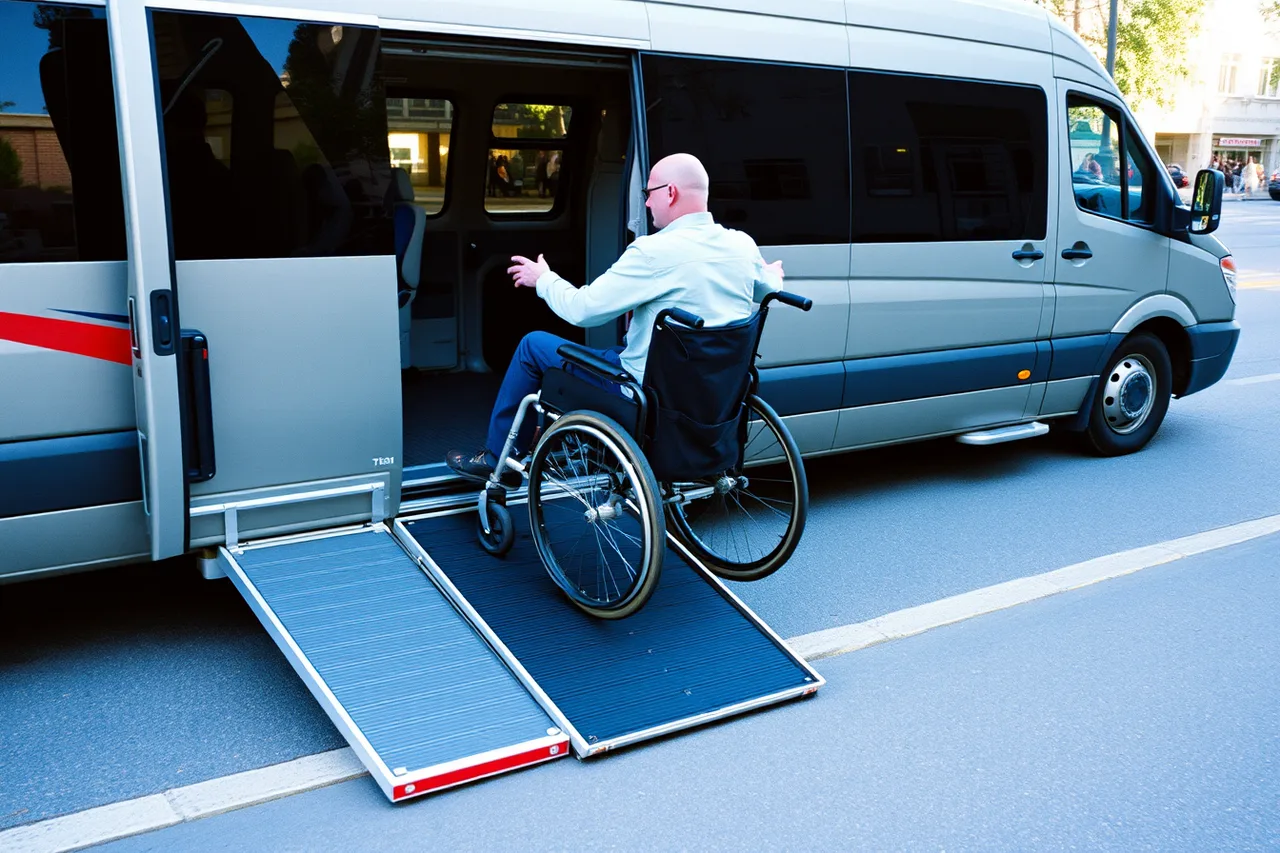
- What is the vehicle, and what are its ramp rating and interior height?
- What happens if somebody needs to stop at eleven in the morning?
- What went wrong on the last trip, and what changed afterwards?
The last question separates an operator with experience from an operator with a website.
For deaf and hard of hearing travelers, the two products are a tour delivered in American Sign Language and a spoken tour with an interpreter. The NIDCD's explanation of American Sign Language sets out that ASL is a complete natural language whose grammar differs from English, so the two are not interchangeable.
Where to start
Decide which kind of operator matches the trip before contacting anybody. Judging a hotel rests on the same habit of asking for numbers, and the four assumptions that spoil trips are worth reading before you sign a contract.
Camping and cabin trips through a public-site concessionaire often cost a fraction of a hotel room, and the pitch itself is the saving. If you would rather build the trip around one town, rangers and centers for independent living do a version of the same job for nothing.
Common questions
Is a specialist operator always better than a mainstream one?
No. A mainstream operator who answers in measurements beats a specialist who answers in reassurance. Ask both the same five questions and compare the answers, not the labels.
Should I expect to pay more?
Usually yes, for staffing and vehicles. Ask what the premium buys, line by line, and whether the equipment rental and the companion's costs sit inside or outside the quote.
Do nonprofit trips cost less?
Often, and they may carry eligibility rules and waiting lists. Ask early, because volunteer-run trips fill months ahead and the application is not the same as a booking.
How far ahead should I book?
Three to six months for anything staffed. Support workers and adaptive equipment are the scarce parts, and the accessible room inventory at a given property is smaller than the rest of the building.
In this guide
- Photographing an accessible tour: what belongs in the frame, and what does notPhotographing an accessible tour means framing the threshold, the ramp and the bathroom with a rule in shot, while skipping the posed group photo.
- Choosing Accessible Tour Operators by Service ModelThis accessible tour companies comparison framework sorts providers by model and checks access evidence, staffing, vehicles, contingency and cancellation terms.
- Six accessible tour companies: what each actually publishesSix tour operators are checked against three public facts each, and only three of the 18 cells are filled. New Directions Travel and Able Trek Tours publish staff ratios, Sage Traveling publishes a seven-day cancellation rule, and none of the six publishes access measurements.
- What accessible tour companies charge, and for whatAccessible tour quotes hide their real cost in staffing, vehicles and meals, so normalize every quote to one daily figure before you compare.
- Accessible tour companies planning: questions to askAccessible tour companies planning starts with one requirements sheet, a screening call, a contract check and your own calls to each venue before you pay.