Costs
Part of The seven links in accessible attraction planning and the questions to ask
The short version of accessible attraction planning cost
Accessible attraction planning costs run from free federal museums to paid parking and timed tickets. Here are the line items and what each one runs.
What to take away
- Accessible attraction planning cost starts at $0 at federal museums and gardens. The Smithsonian, the National Gallery of Art and the National Archives Museum all charge nothing to enter, and their access pages carry the doorway, restroom and seating detail private attractions often omit.
- Companion admission is free at many paid attractions, but the policy is rarely published. At venues that charge, a companion ticket can run $25 to $35.
- Parking is usually the largest single line of a paid attraction day. Walt Disney World and Universal Orlando both charge $30 per day for standard parking, and an accessible space is not automatically cheaper.
- A timed ticket you miss because a transfer ran late is money gone. Ask about the grace period before you buy.
Ticket prices, parking rates and companion policies change. Treat every figure below as a planning range and confirm the current number with the venue.
Free anchors, paid extras
The National Archives Museum publishes visitor information covering hours, entry and what to expect, and entry is free. The Smithsonian museums in Washington, DC, and the National Gallery of Art also charge nothing. Most federal museums and government-run gardens work the same way.
That matters for cost because the free sites are often the better documented ones. A day built on two free anchors and one paid attraction is a full day at a fraction of the ticket spend. For example, a Smithsonian morning costs $0; an afternoon at the Metropolitan Museum of Art costs $30 for an adult.
What the paid day actually costs
Private museums sit at the top of the range. The Metropolitan Museum of Art charges $30 for adults, $22 for seniors, and $17 for students; children under 12 enter free. The American Museum of Natural History charges $28 for adults, $22 for seniors and students, and $16 for children.
Aquariums and zoos run higher. The Georgia Aquarium uses dynamic pricing, with adult general admission typically $45 to $55. The San Diego Zoo one-day pass is about $74 for adults.
| Line | Typical range | Named example |
|---|---|---|
| Paid attraction admission | $0 to $35 per person | Federal sites free; private museums at the top. Met $30 adult; AMNH $28 adult |
| Aquarium or theme park admission | $45 to $85 per person | Georgia Aquarium typically $45 to $55; San Diego Zoo about $74 adult one-day |
| Companion admission | $0 at many sites | Ask at booking; some require notice or documentation |
| Parking | $10 to $40 | The largest line at popular attractions. Walt Disney World and Universal Orlando standard parking $30 per day |
| Food on site | $15 to $25 per person | Bringing lunch where allowed cuts this to near zero |
| Taxi or rideshare leg | $12 to $30 | Worth it to skip a transfer |
| Contingency | 10 percent of the day | Mostly transport |
| Typical paid day, one adult | $40 to $145 | Admission, parking, food, taxi and contingency combined |
Two adults, both paying full admission, land near $90 to $210. That total is the number to plan against, not any single line.
Five rates move most often: the Met and AMNH adult admission, Georgia Aquarium and San Diego Zoo entry, and theme park parking. Check each on the venue page before you buy.
These are planning ranges for a major U.S. city, not quotes. Your own figures will differ, and the venue's current published rate is the only one that counts.
Parking is the line that hurts
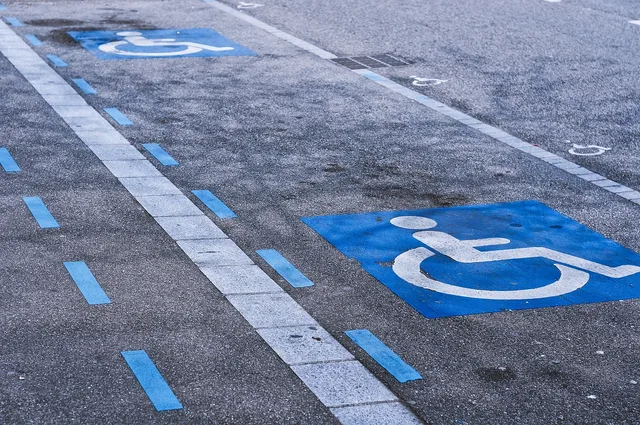
At a popular attraction, parking often costs more than the ticket. Walt Disney World and Universal Orlando both charge $30 per day for standard parking. An accessible space is not automatically cheaper.
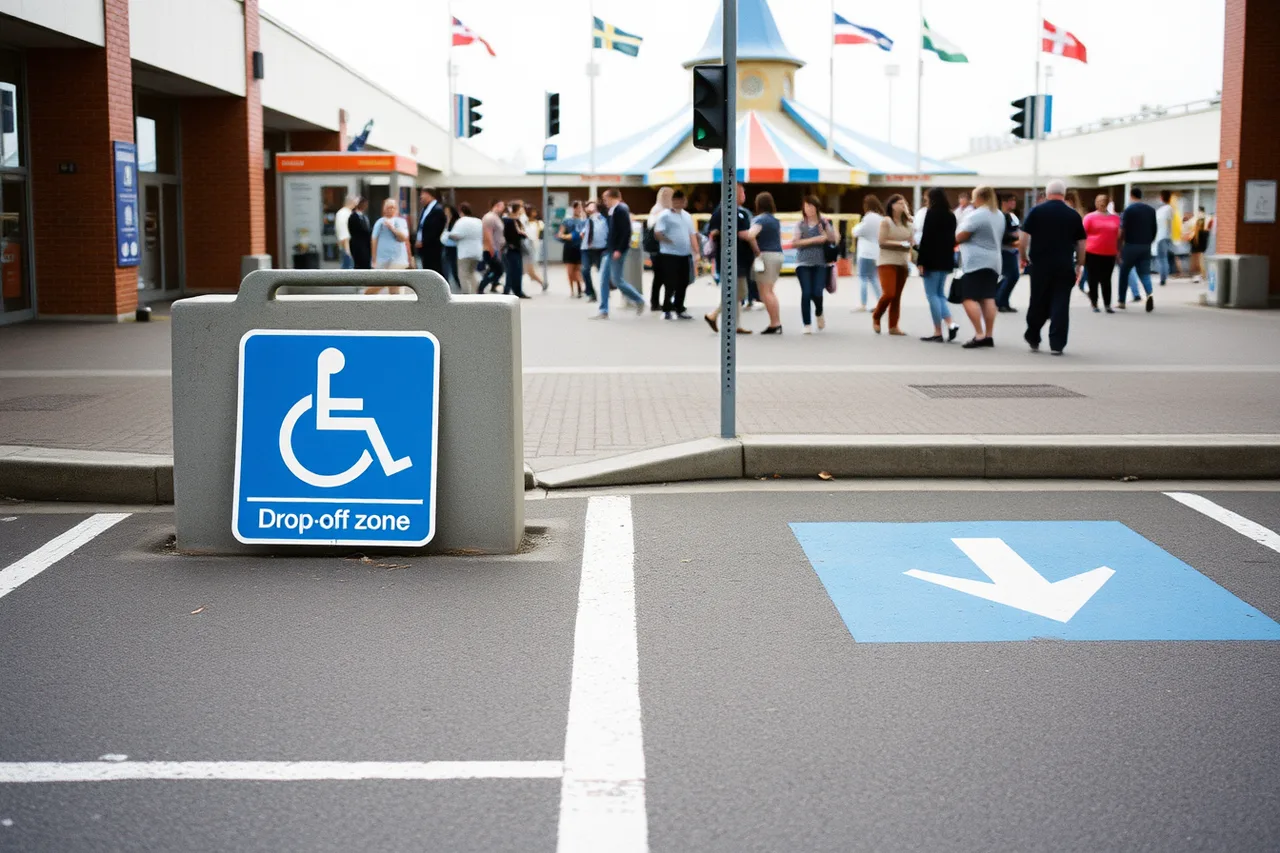
Two checks before you go. Does the site have a drop-off point, so one person parks while the rest of the group is set down at the entrance? And is there a cheaper lot a short roll away?
Companion admission, asked early
Many attractions admit a companion or personal assistant free, and the policy is frequently not published. Venues that write it down get the booking; the rest lose it quietly.
Ask when you book. Some venues ask for documentation, such as a disability ID or a letter, and some grant a free companion place only through the accessibility desk or the phone line, not the online checkout.
On a trip with several paid attractions this is a real saving. At venues that charge, a companion ticket typically runs $25 to $35; at venues that admit a companion free, the saving is the full ticket price. Policies vary enough that assuming either way is a mistake.
Timed entry and the late transfer
Where entry is timed, a late transfer can cost you the ticket. Ask what the flexibility is: a grace period, a later slot, a refund. A missed timed ticket is money gone: at the Metropolitan Museum of Art, that is $30 per adult.
Sites used to accessible visitors usually have a workable policy. Asking in advance is what lets you rely on it.
Lodging is a cost lever
A room near the site removes a taxi and often the parking charge. That is why pricing the whole day rather than the room is the only comparison worth making.
For an outside view of a reasonable rate, the federal lodging program's FedRooms information shows how government travelers are accommodated at negotiated rates.
The cost of a visit that fails
A visit that fails on arrival costs the parking, the travel, the time and often the ticket. A $30 parking charge, a $20 taxi, and a $30 ticket add up to $80 gone. On a trip where each day has one anchor, it costs the day.
The planning behind it is in how attraction planning works, and the wider budgeting method covers the trip these days sit inside.
Common questions
Do access passes cover parking?
Sometimes at federal sites, frequently not at private attractions. Parking runs $10 to $40 at many paid attractions. Ask the specific venue rather than assuming the pass carries over.
Is a companion ticket automatic?
Never assume. Some sites require advance notice or documentation, and the policy can differ between the ticket desk and the booking system. At venues that charge, a companion ticket typically runs $25 to $35.
Are audio guides charged?
Sometimes, and an accessible version should not cost more than the standard one. Rental fees often run $5 to $10. If the accessible version costs more, ask why before you pay.
What is the cheapest good day out?
Two free federal museums, a packed lunch and one taxi. The Smithsonian and the National Gallery of Art cost $0. A taxi leg runs $12 to $30. It is hard to beat on either cost or access information.