Industry
Part of Accessible U.S. travel: why access is uneven, not absent
Accessible US Travel Businesses: What to Measure
For accessible US travel businesses, measured entrances, doors, restrooms, tables and parking give travelers access details instead of a vague label.
What to take away
- Publish measurements and photographs so travelers can assess access for themselves.
- Measure on site, say what you do not have, and update details when something changes.
- Train the front desk on one page of facts, since many information failures start there.
- Work with the town, because the curb outside your door is the town's responsibility and your problem.
For accessible US travel businesses, precise answers help travelers decide whether a specific route and facility will work for them. The businesses that do well with accessible travelers are rarely the ones with the most expensive adaptations. They are the ones that answer questions precisely.
Publish measurements, not adjectives
Replace "wheelchair accessible" with facts:
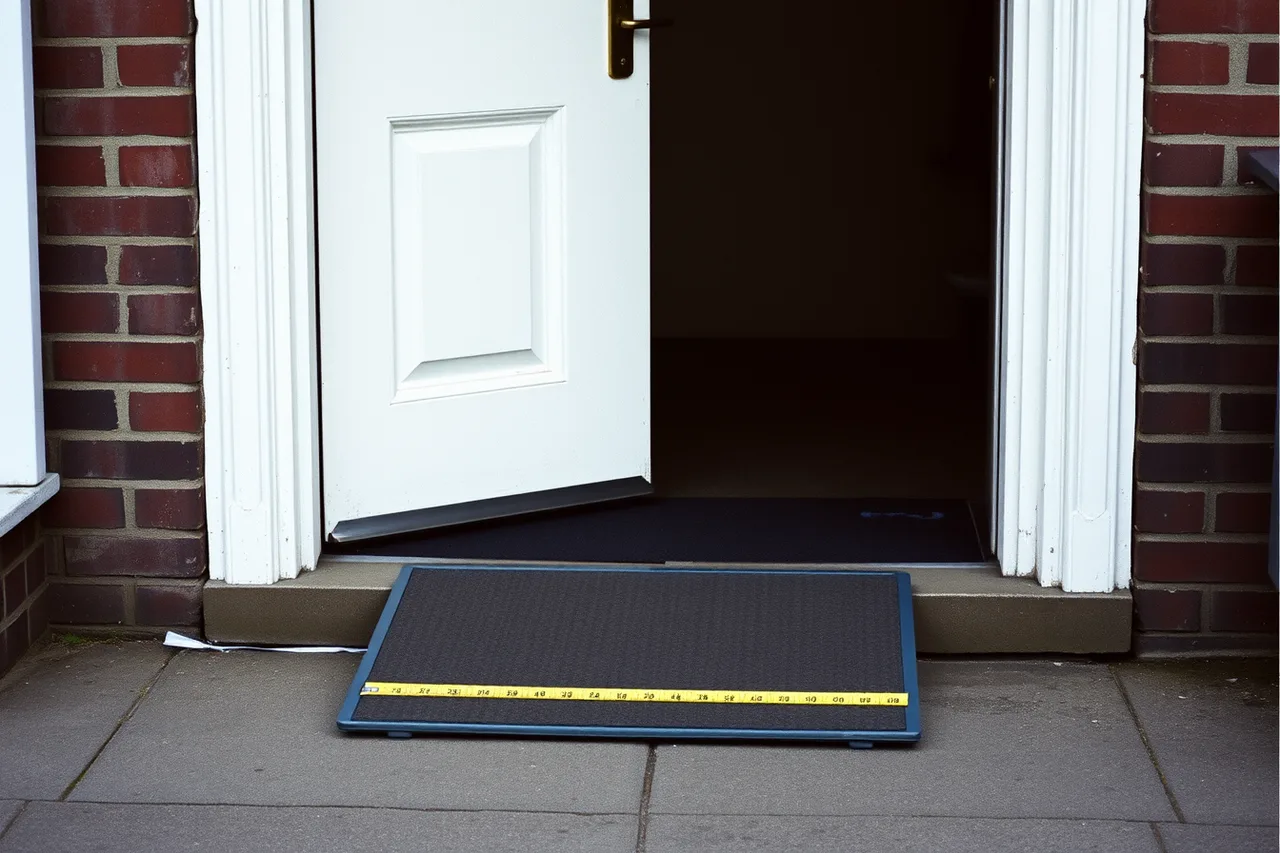
- Entrancelevel, or one step of 12cm with a portable ramp available
- Door clear width84cm
- Accessible restroomyes, grab bar on the left as seated
- Tablestwo with 74cm clearance underneath
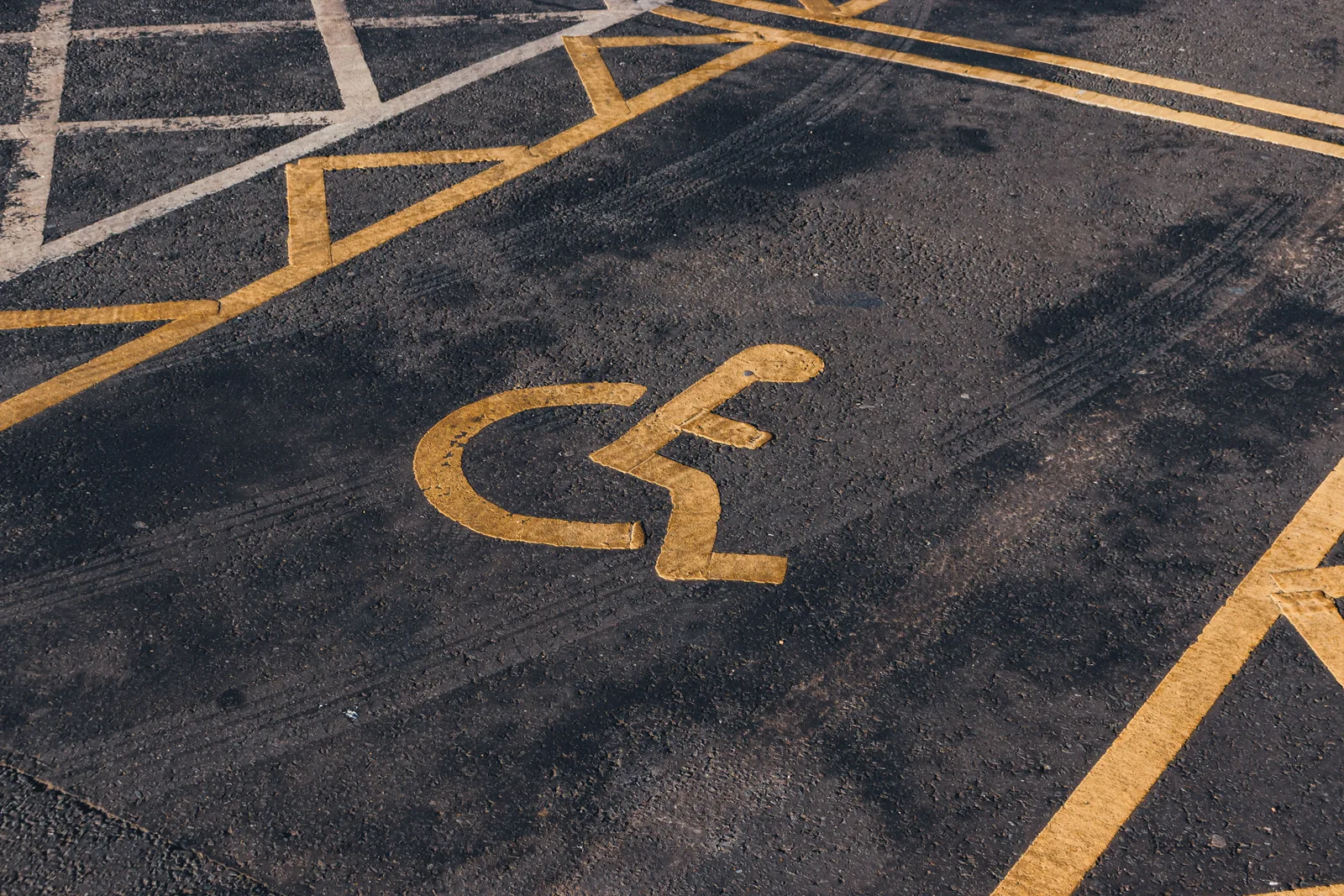
- Parkingtwo accessible spaces, 20 meters from the door, paved
Add three photographs: the entrance from the pavement, the route inside, the restroom door open. Take them at seated height with something in frame for scale, because a shot from standing height flattens a ramp and hides a threshold. That page will be read more than anything else on your website.
Say what you do not have
A business that says plainly that it has a step at the door, no accessible restroom and a narrow aisle is more useful than one that says accessible and disappoints on arrival.
Travelers plan around known limits. They cannot plan around an unpleasant surprise, and the surprise is what generates the review nobody recovers from.
Know roughly what applies to you
Private businesses open to the public are generally covered by Title III of the Americans with Disabilities Act (ADA). The Justice Department's primer on Title III covers readily achievable barrier removal, policy modifications, and communication. For plain-language guidance, consult the department's ADA Update: A Primer for Small Business, available at ada.gov, or contact the DOJ ADA Information Line.
Title II of the ADA covers state and local government programs and services. The Justice Department's primer on Title II explains what applies to places such as a municipal car park, visitor center, or public restroom. State and local building codes may add requirements, so check the code that applies where the property is located.
Knowing which ADA title applies, and which rules govern the pavement outside, helps you identify what you can address at your property and what to raise with the municipality.
Use federal measurement standards carefully
The 2010 ADA Standards for Accessible Design are available at ada.gov. They set technical requirements for covered construction and alterations; the obligations for existing facilities can differ. Examples in the standards include:
- A door's clear opening is at least 32 inches when the door is open 90 degrees.
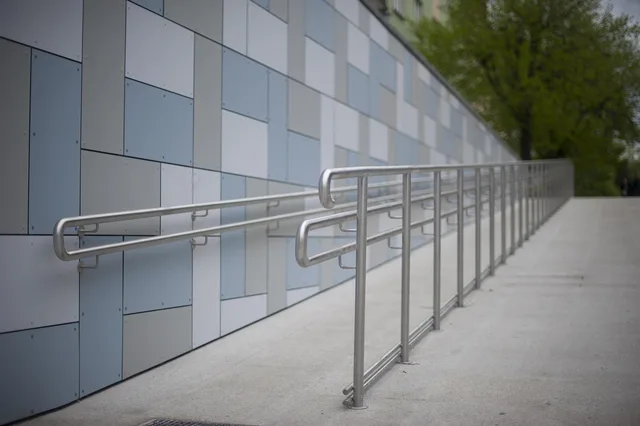
- A ramp's running slope is no steeper than 1:12.
- A circular turning space is at least 60 inches in diameter.
- A toilet seat is 17 to 19 inches above the floor.
- Grab bars are 33 to 36 inches above the floor, with 1½ inches of clearance from the wall. The 9-inch minimum toe clearance applies in specified conditions under accessible elements; it is not grab-bar clearance.
Use these figures as references, not as a substitute for measuring the property or checking which requirements apply. A measurement in a listing does not, by itself, establish ADA compliance.
Train the desk on one page
Most failures are information failures. A visitor asks whether there is a step and gets a shrug.
Write one page: entrance, door widths, restroom, parking, lift status, best approach route, and what to do if the lift is out. Put it beside the telephone. Update it when anything changes.
The cost side belongs on that page too: the accessible room rate beside the standard one, the companion policy, and which equipment is free.
That single page prevents more problems than any amount of goodwill.
Work with the town
Your entrance can be perfect and unreachable. Curb ramps, crossing times, pavement condition and parking enforcement belong to the municipality.
Businesses that raise these collectively, with specific locations and photographs, get them fixed. Individually, they mostly do not.
The commercial case, stated plainly
Accessible travelers plan further ahead, stay longer, travel in groups, and return to places that worked. They also tell each other, in detail, which is why the information page pays for itself.
Use the booking questions as a reporting checklist: Is the route from parking to the entrance step-free? If not, what are the step and ramp details? What is the clear width of the doors on the route? Is an accessible restroom available, and what measurements describe it? How far is accessible parking from the entrance, and what is the route surface? Is the lift working? The details first-time visitors may miss belong in the listing too; give measured answers rather than an unqualified accessible label.