Guides
The seven links in accessible attraction planning and the questions to ask
Accessible attraction planning runs through seven links, from parking and transport to restrooms and exit, with the questions to ask staff before you book.
What to take away
- Access at a large site is a chain of seven linksparking, transport, route, entrance, interior, restroom, exit. One broken link ends the visit.
- Ask staff which link is weakest at that site. They know, and they answer plainly.
- Shuttles and lifts are the links that fail most often, so confirm both for your date.
- The site's own accessibility page is the best single source. Read it before you call.
- A site that publishes what it cannot adapt is more useful than one that stays vague.
Attractions do not become accessible by adding a ramp. The well-run ones plan the whole chain, and knowing the chain tells you what to ask before you book.
The seven links, in order
Parking. Count of accessible spaces, distance to the entrance, surface, and whether they fill by mid-morning.
Seven Links of Accessible Planning
- Parkingspaces, distance, surface, fill time
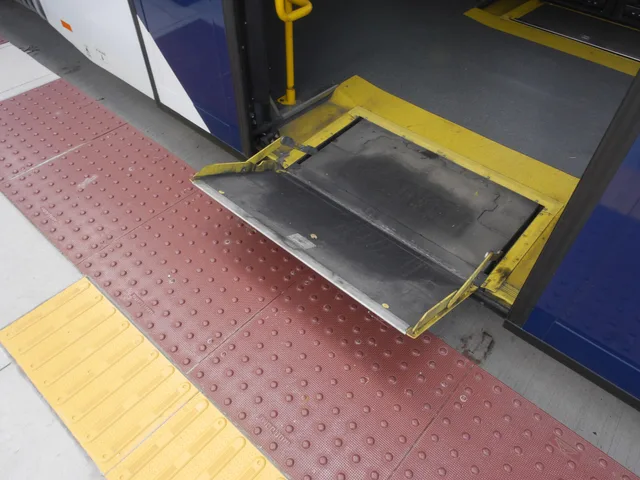
- Transport within siteshuttles, trams, carts
- The routesurface, gradient, distance, seating
- The entrancelevel or ramped, staffed or locked
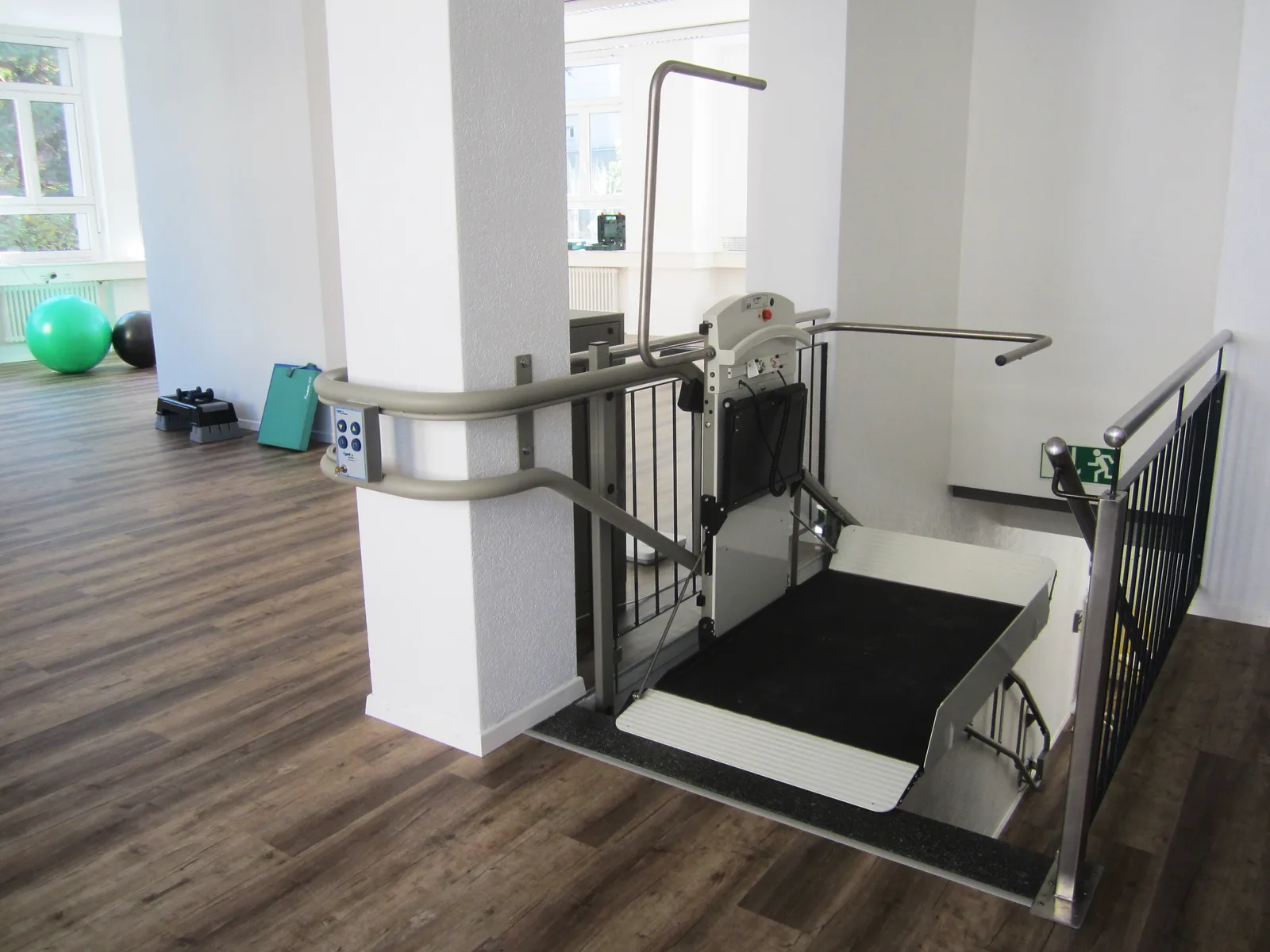
- The interiorlifts, width, exhibit heights, seating
- Restroomshow many, where, open dates
- The exitincluding emergency route
Transport within the site. Shuttles, trams and carts. At a large site this link decides whether you see one building or the whole place, and many of them stop running out of season.
The route. Surface, gradient, distance between stops, and seating along the way. Seating is what makes a folding stool or seat cane worth carrying.
The entrance. Level or ramped, main or separate, staffed or locked.
The interior. Lifts, circulation width, exhibit heights, seating.
Restrooms. How many, where, and whether they are open on your date.
The exit, including the emergency route. This is the link almost nobody asks about.
Ask which of the seven is weakest there. It saves the visit.
Historic sites and the shuttle question
At sprawling historic sites the shuttle is usually the whole answer.
Shuttle Questions for Historic Sites
Does the shuttle run on your date?
plan around shuttle stops
ask what replaces it
Gettysburg's accessibility information shows how that plays out across a large field of monuments and roads, where the visitor center, the tour route and each stop need separate questions.
Ask three things: whether the shuttle runs on your date, whether it takes your equipment, and what replaces it when it does not run.
Vertical sites and the lift question
Some attractions are one piece of vertical engineering, and access rests on a single machine.
When One Machine Is the Route
Is the lift or tram the only access route?
ask what happens when it is out of service
standard route planning applies
The Gateway Arch is the clearest case. Its accessibility pages set out what is available at ground level, what the tram to the top involves, and where the limits sit. That kind of plainness beats vagueness.
For any site where one machine is the access route, ask what happens when it is out of service and whether tickets are refunded.
Old buildings, honest answers
Historic buildings solve access with ramps, lifts, side entrances, and sometimes a flat statement that a floor cannot be reached.
Where a site says the upper floor is not accessible and offers a virtual tour or a ground-floor equivalent, that is a planned answer, not a failure. Ask whether the accessible entrance is staffed, because a locked side door with a bell is a different experience from an open one.
The order to plan in
- Read the site's own accessibility page.
- Call with the two or three questions that page does not answer.
- Book timed entry if the site uses it.
- Confirm again the week before you travel.
The call matters most, because it is the only step that reflects the building's condition today. A lift can be down for a fortnight and the website will not say so.
What good looks like
Specific numbers, named alternatives, an honest list of what is not accessible, and a staff member you can reach before you arrive.
Judge a site by what it publishes, not by the word accessible on the listing. A page that gives doorway widths and gradient figures has been written by someone who has measured them.
The wider trip these visits sit inside is covered in the two-day accessible itinerary, and the questions that get real answers apply to attractions as much as to hotels.
Where the cost sits
Accessible travel carries a few premiums worth pricing before you commit: a larger rental vehicle, a room with a roll-in shower, and a private accessible tour where a group departure will not take your equipment.
Ask each operator to quote the same four lines so the totals compare: base rate, access supplement, equipment fee, and cancellation terms. Quotes diverge on the last two far more than on the first.
Common questions
Do I need to book in advance?
Where timed entry exists, yes. Ask how the site handles a late arrival, since transfer vehicles run behind schedule and entry windows are often stricter than they need to be.
Is a free site less accessible?
There is no relationship between price and access. Federal sites are frequently free and among the best documented, because the National Park Service publishes its accessibility pages per park.
What if the accessible route is much longer?
This is common at historic sites, where the step-free path may run well past the main one. Ask about drop-off points, which usually exist and are rarely advertised.
Should I bring my own seat?
On long routes with little seating, a folding stool solves more problems than most people expect. Check the site's bag rules first, since some buildings restrict what comes through the door.
In this guide
- Accessible attraction visits go easier in the cooler shoulder season, not summerBest seasons to: heat is the seasonal constraint that matters most, because waiting, transfers and queues all happen outdoors and take longer than an ordinary visit.
- A packing list for an accessible attraction visitPack for waiting outdoors, for long routes with no seating, and for the chance that the accessible restroom sits at the far side of the site.
- The short version of accessible attraction planning costAccessible attraction planning costs run from free federal museums to paid parking and timed tickets. Here are the line items and what each one runs.
- Accessible attraction guides: start with the coordinatorAccessible attraction guides start with the site's accessibility coordinator, then ranger and docent programs that adapt on request.
- Attraction access details: keep a file and recheck itRecord each attraction's access details with the date and the name of who confirmed them, and recheck the answers that change: closures, lifts and restrooms.