Features
Part of The seven links in accessible attraction planning and the questions to ask
Accessible attraction visits go easier in the cooler shoulder season, not summer
Best seasons to: heat is the seasonal constraint that matters most, because waiting, transfers and queues all happen outdoors and take longer than an ordinary visit.
What to take away
- Heat affects this kind of travel disproportionately, because more of the day is spent waiting outdoors.
- Shoulder seasons give you working shuttles, staffed sites and short queues at the accessible entrance.
- Winter closes seasonal transport, which at large sites is the access route itself.
- Book the first slot of the day in summer and the middle of the day in winter.
The seasonal question in accessible attraction planning time is not about scenery. It is about how long you spend outdoors, and how well the site copes when it is busy.
Why heat matters more here
An ordinary visitor queues for ten minutes and walks in. A visitor using a wheelchair or moving slowly may spend longer outdoors at every stage: waiting for a shuttle, waiting at a drop-off point, waiting while somebody finds the key to the accessible entrance. That last one is among the small things that never appear on any listing.
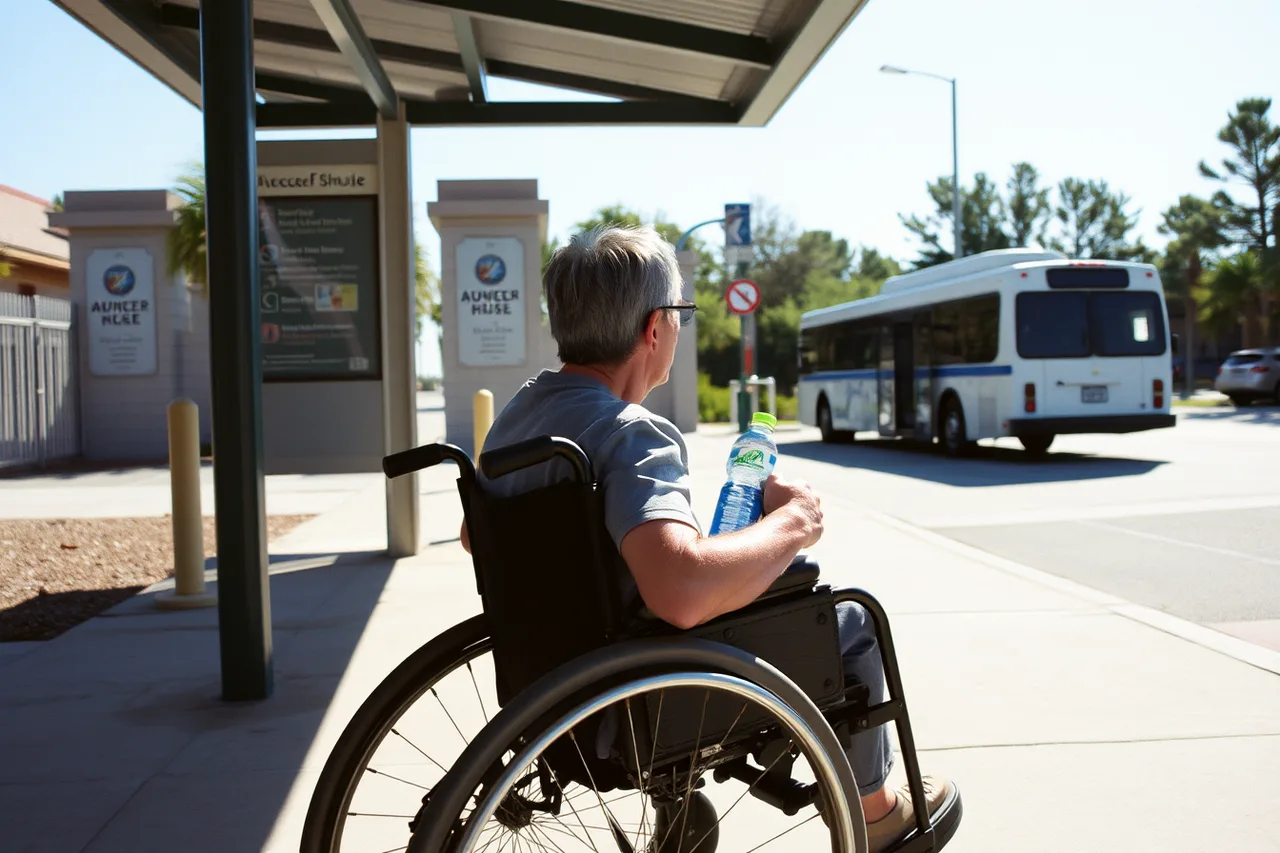
Heat illness develops with exposure and exertion, and the guidance from the Centers for Disease Control and Prevention on preventing heat-related illness covers who is at higher risk, including people with chronic conditions and those taking certain medications.
The practical version: in summer, book the first entry slot of the day, carry more water than seems necessary, and put the middle of the day indoors as a scheduled rest rather than a gap you hope for.
When a heat event is forecast
Sites cancel outdoor programs and shuttles in extreme heat, and the National Weather Service's advice during extreme heat sets out what to do and why the risk rises so quickly.
For a planned visit, that means checking the forecast three days out, having an indoor alternative ready, and treating a heat advisory as a reason to move the day rather than push through it.
An indoor alternative for a heat day has to be somewhere you have already confirmed, not somewhere you hope to find. The Smithsonian museums in Washington, D.C., are free, step-free and indoors, and most large parks keep a visitor center that is the coolest building on the property.
Shoulder seasons win
Spring and autumn give you shuttles running, sites fully staffed, short queues at the single accessible entrance, and temperatures that make waiting tolerable.
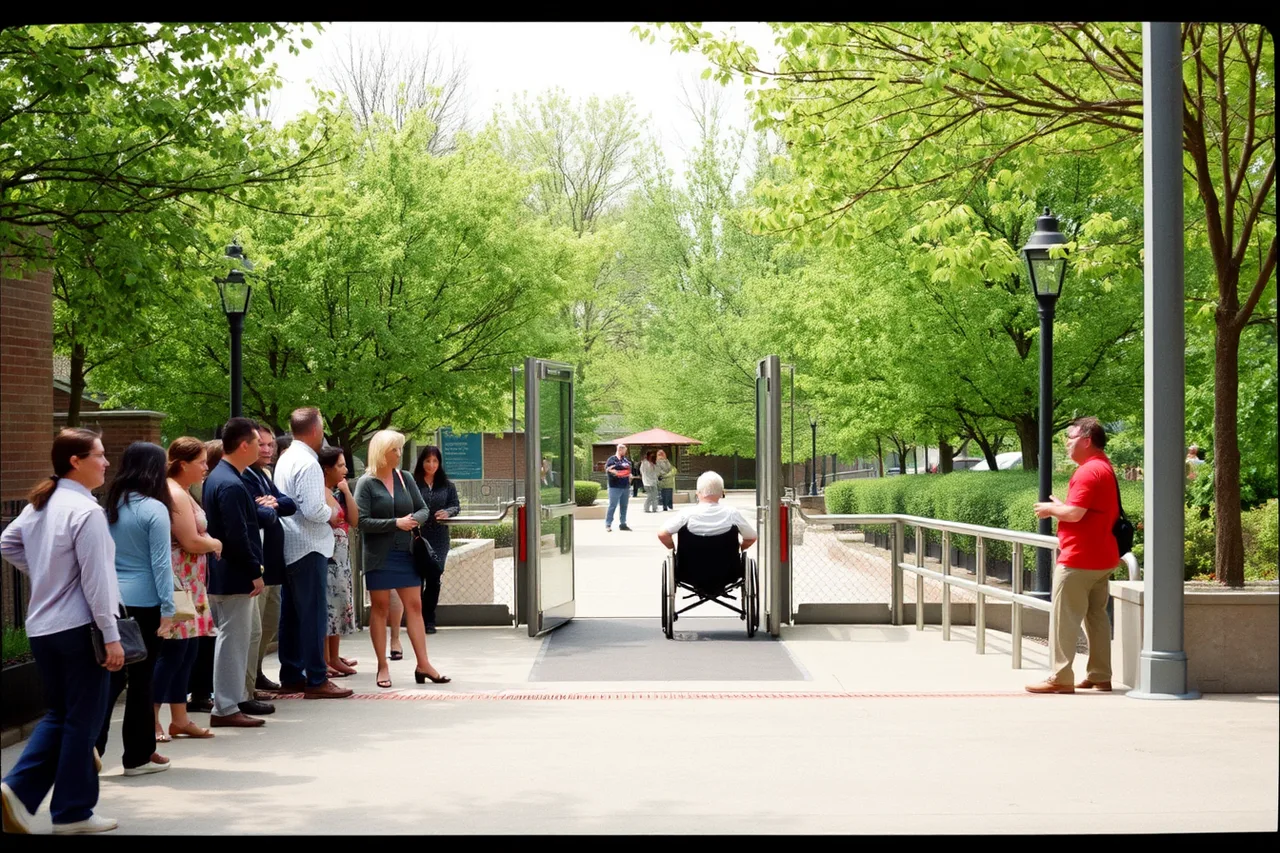
That combination is worth more on an accessible visit than on an ordinary one, because every element of the day depends on infrastructure that is scarce and shared.
Where the seasonal rule actually applies
The pattern is clearest at the large western parks, where the shuttle is the access route rather than a convenience. Zion National Park runs its canyon shuttle and closes the main scenic drive to private vehicles while it is running, so the season decides how a visitor who cannot walk the road reaches the viewpoints at all. Yosemite Valley, Bryce Canyon National Park and the South Rim of Grand Canyon National Park each run shuttle routes of their own, and several of those routes stop or thin out outside the busy season. Much of Denali National Park's road is traveled by park bus rather than by private vehicle.
Acadia National Park in Maine is the eastern version of the same thing: the Island Explorer buses are fare-free and run seasonally, which is what makes the carriage roads and the trailheads reachable without a car. Near San Francisco, Muir Woods National Monument manages access with parking and shuttle reservations rather than with more asphalt, so the shoulder season is also the easier time to find a slot.
For any of them, the National Park Service accessibility page for that specific park is the source to check: it carries the shuttle season, the accessible trail surfaces and the location of the accessible restrooms. Where a site takes timed entries or parking reservations, Recreation.gov is normally where they are booked.
Winter closes the access route
At many large sites the seasonal shuttle is the accessible route, and when it stops running the site is effectively closed to visitors who cannot walk the distance.
Ask specifically: is the shuttle running on my date, and if not, how do visitors who cannot walk the route reach the main features?
Water-based sites have their own seasonal pattern, and the accessible facilities at river and lake sites are frequently seasonal too. Mobi-mats and beach wheelchairs normally come out only for the warm months, boat ramps and floating docks are pulled before winter, and some restrooms and shower buildings are closed outside the season. Ask which of them are open on your date rather than which exist.
Crowds and the single accessible everything
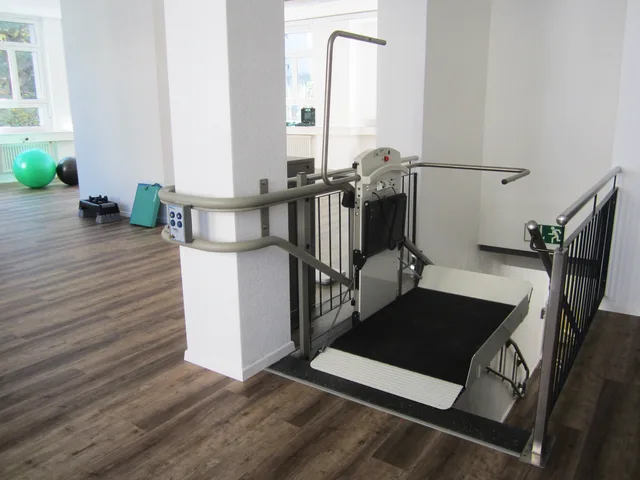
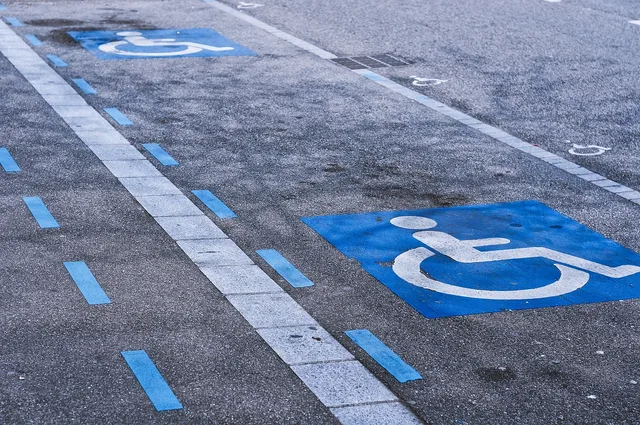
One lift, one accessible restroom, four accessible parking spaces. Peak season stresses each of them simultaneously.
The clearances behind those facilities are not left to a site's good intentions. In the United States, accessible parking, entrances and restrooms are built to the ADA Standards for Accessible Design, which the U.S. Department of Justice issues under the Americans with Disabilities Act. Those standards rest on the ADA Accessibility Guidelines developed by the U.S. Access Board. The split matters to a visitor, because a site built under an older standard can end up with exactly one compliant entrance, and that is how single-accessible-everything becomes permanent at historic sites.
Midweek in the shoulder season is the answer, and it costs nothing.
The calendar
| Season | Access reality |
|---|---|
| Spring | Shuttles restarting, quiet, mild. Best window |
| Summer | Everything open, heat and queues at every shared facility |
| Autumn | The other best window, with earlier shuttle shutdowns |
| Winter | Indoor sites only in much of the country |
This is one step in a longer process, set out in how accessible attraction planning works.