Costs
Part of What to know before a wheelchair accessible trip: chair measurements, transfers and repair plans
Wheelchair accessible trips cost: what to budget for
Wheelchair accessible trips cost more for transport, rooms, assistance, equipment and flexibility. See typical ranges and ways to plan for repairs.
What to take away
- Refundable rates are the line item that saves a trip when a lift fails or a room is wrong on arrival.
- Hold back a repair fund for equipment failure away from home; you usually pay up front and settle later.
- Check assistance programs before absorbing a cost yourself, and start applications months out.
- Keep receipts. Some equipment and medical transport costs are relevant at tax time.
- Ask for measurements, not the word "accessible."
Wheelchair travel costs more than the same trip would otherwise, and the difference sits in adapted transport, the room, and the money spent on being able to change plans.
The five cost lines, with typical figures
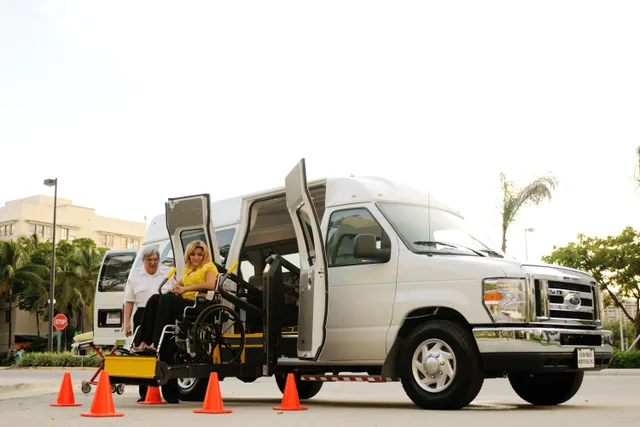
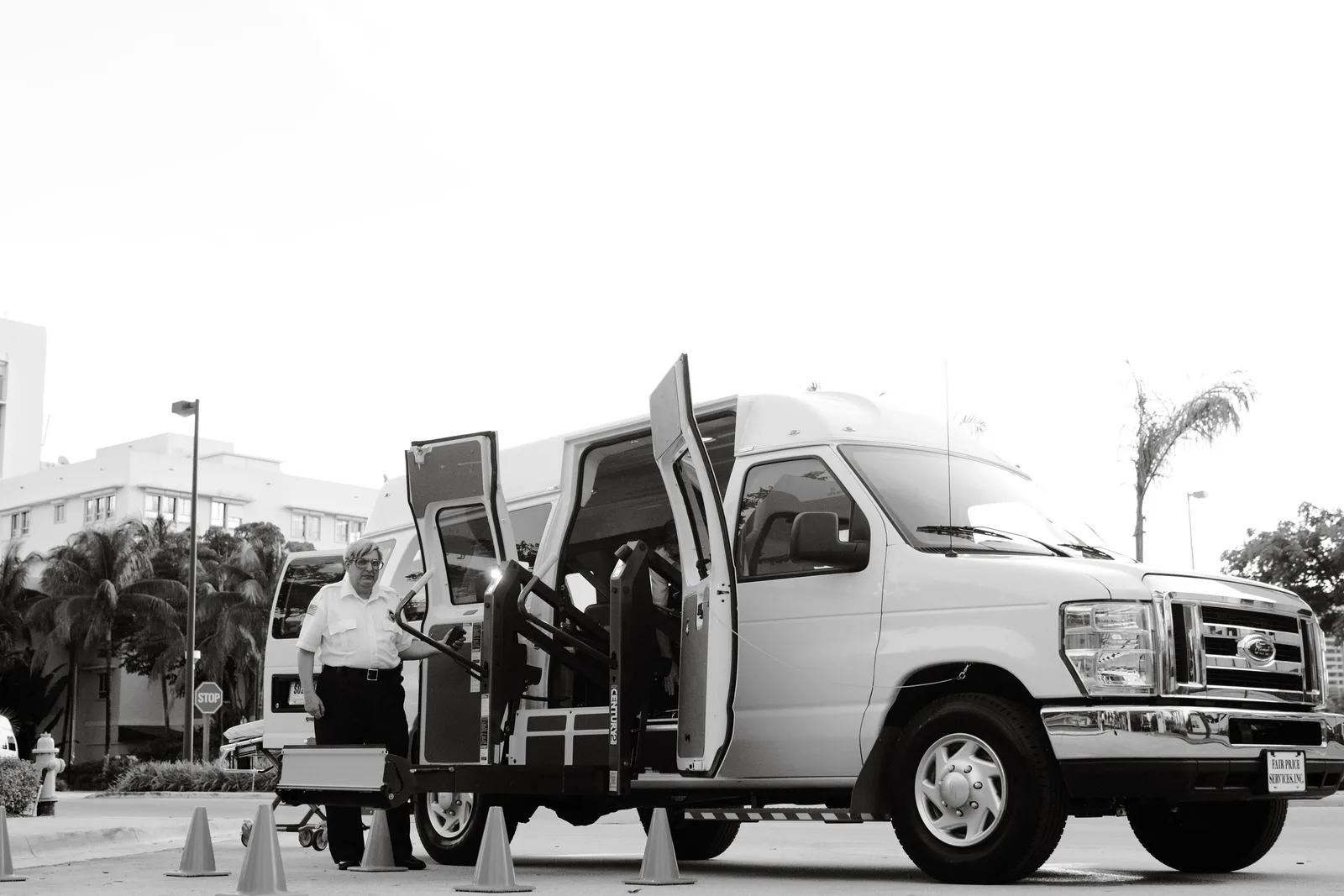
Adapted transport. A wheelchair-accessible van rental, or the fuel to drive your own vehicle further than you otherwise would. A rental typically runs $100 to $250 a day in the United States. Size, ramp or lift and lead time move that rate.
Five cost lines that differ
Cost line
- Adapted transport
- Accessible van rental or extra fuel
- The room
- Scarce accessible stock, cheapest first
- Assistance
- Assistant's travel, room, time
- Equipment
- Batteries, spares, travel chair, covers
- Flexibility
- Refundable rates cost more, save trip
What it covers
- Adapted transport
- The room
- Assistance
- Equipment
- Flexibility
The room. Accessible rooms are limited stock, so the cheapest rates at a property usually go first. The rate itself is rarely a premium; the scarcity is what costs.
Assistance. A personal assistant's travel, room and time, where one travels with you. Budget a full fare and a full nightly rate, plus $20 to $40 a night where the assistant shares your room.
Equipment. Batteries, spares, a travel chair, protective covers for a flight. That list typically adds $150 to $600, and shipping spares ahead usually costs less than buying at the destination.
Flexibility. Refundable rates cost more and are the thing that saves the trip. The premium is typically 10 to 20 percent on the room rate, so $120 to $240 on a $1,200 bill.
Budget the flexibility deliberately
This is the line people cut and should not.
Non-refundable vs flexible bookings
Non-refundable
- Lift fails
- Week unusable
- Room wrong
- Stuck with it
- Equipment damaged
- Loss absorbed
- Cost
- Cheaper upfront
Flexible rate
- Lift fails
- Week rearranged
- Room wrong
- Moved
- Equipment damaged
- Replaced, rebooked
- Cost
- Premium as insurance
If a lift fails, a room turns out wrong, or equipment is damaged in transit, a plan built on non-refundable bookings becomes a week of things you cannot use. The same plan on flexible rates becomes a rearranged week.
Treat the premium as insurance you will occasionally claim on.
The refundable rate, a second night in one base rather than moving, and the taxi that avoids two transfers all buy back energy. Energy is what the trip runs on.
The repair fund
What the repair fund covers
- A tire or a castor
- A charger or a battery
- A call-out from a repair company
- Pay up front, sort out later
Knowing how equipment is normally supplied helps you understand what a replacement involves. Medicare's explanation of durable medical equipment coverage sets out the categories, supplier requirements and how such equipment is generally handled. That is the background to any conversation about getting something replaced quickly in an unfamiliar place.
Set the fund at $300 to $600 for a week away, and treat it as money you may get back.
Look at what assistance exists
Before absorbing a cost yourself, check whether a program covers part of it. Most disability assistance is not travel-specific, and some of it touches equipment, transport and support costs that a trip simply makes visible.
Three routes are concrete. Medicaid Home and Community Based Services waivers pay for personal care attendant hours, and self-directed programs in some states let those hours travel with you.
The TSA Cares helpline (1-855-787-2227) arranges airport screening help when you request it 72 hours ahead. The Department of Transportation takes wheelchair damage complaints against airlines under the Air Carrier Access Act.
Start that search twelve weeks out, in the planning timeline, not the week before you leave. Anything involving an application needs months.
Keep the receipts
Some costs connected to medical needs and equipment can matter at tax time. The Internal Revenue Service's topic on medical and dental expenses sets out what the deduction covers in general terms, including certain capital expenses and transport related to medical care.
This is not a travel deduction. It is a reason to keep documentation rather than throw it away. Take proper advice for your own circumstances.
A sample budget for one week
| Line | Typical figure |
|---|---|
| Adapted van rental | $700 to $1,750, at $100 to $250 a day |
| Room at a refundable rate | $1,200 at $170 a night, plus the flexible premium |
| Assistant's costs | A full fare, plus $20 to $40 a night as the extra person |
| Equipment and spares | $150 to $600 |
| Repair fund | $300 to $600 held back |
| Contingency | $250 to $500, being 10 to 15 percent of a $2,500 trip |
Treat each figure as a typical range, not a quote. The van and the room move most with destination and season.
For a closer look at transport choices that shape a trip budget, see this comparison. The trips that cost least to plan are the ones you can reuse.
Common questions
Are accessible rooms more expensive?
Not by rule. They are limited stock, so the cheap rates go first and the remaining rooms may sit at a higher tier. Ask for the room's measurements before you book.
Is travel insurance worth it?
Read what the policy actually covers for equipment before assuming it protects a chair. Wording that turns up often covers a mobility device only when you declare it and pay an extra premium, and caps the claim at $500 to $1,000 per item. Some policies exclude batteries outright. The exclusions matter more than the headline price.
Should I buy a travel chair?
For frequent flyers with a heavy power chair, sometimes. It is a real cost against a real risk, and the decision belongs with your physician or physical therapist, not a booking page.
How much contingency?
More than an ordinary trip. Ten to fifteen percent, which is $250 to $500 on a $2,500 trip, and it gets used more often. Hold it separately from the repair fund so one does not quietly absorb the other.