Industry
Part of Accessible U.S. travel: why access is uneven, not absent
Confirming an accessible U.S. hotel room before you travel
Confirming an accessible U.S. hotel room before travel means verifying the specific room, the bathroom setup and the route in writing with the hotel.
What to take away
- Book the specific room, not the room type, and keep written confirmation that it is held for your dates.
- Roll-in shower and accessible bathtub are separate room types. Name the one you need before the deposit clears.
- Ask for the shower entry width, the seat type and the control position. A photograph from seated height settles what a description cannot.
- Confirm the route from parking to the door and the emergency route out, including what happens if the lift fails.
- Reconfirm the room, the lift, the entrance and the bathroom in one call the week before arrival.
Hotel accessibility in the United States has clear rules and frequent failures. Most failures happen at booking, not in the building.
Reserve the room, not the type
The Justice Department's Title III regulation covers how hotels identify, describe and hold accessible rooms once reserved.
For a traveler, that means three things. Book the specific room. Ask for written confirmation that it is blocked for your dates. Carry that confirmation with you. A page reading "accessible room requested" reserves nothing.
Say which bathroom you need
This is the most common mismatch. Many properties hold accessible rooms with a bathtub and grab bars. Fewer hold rooms with a roll-in shower. They are not interchangeable, and the room type name rarely tells you which you are getting.
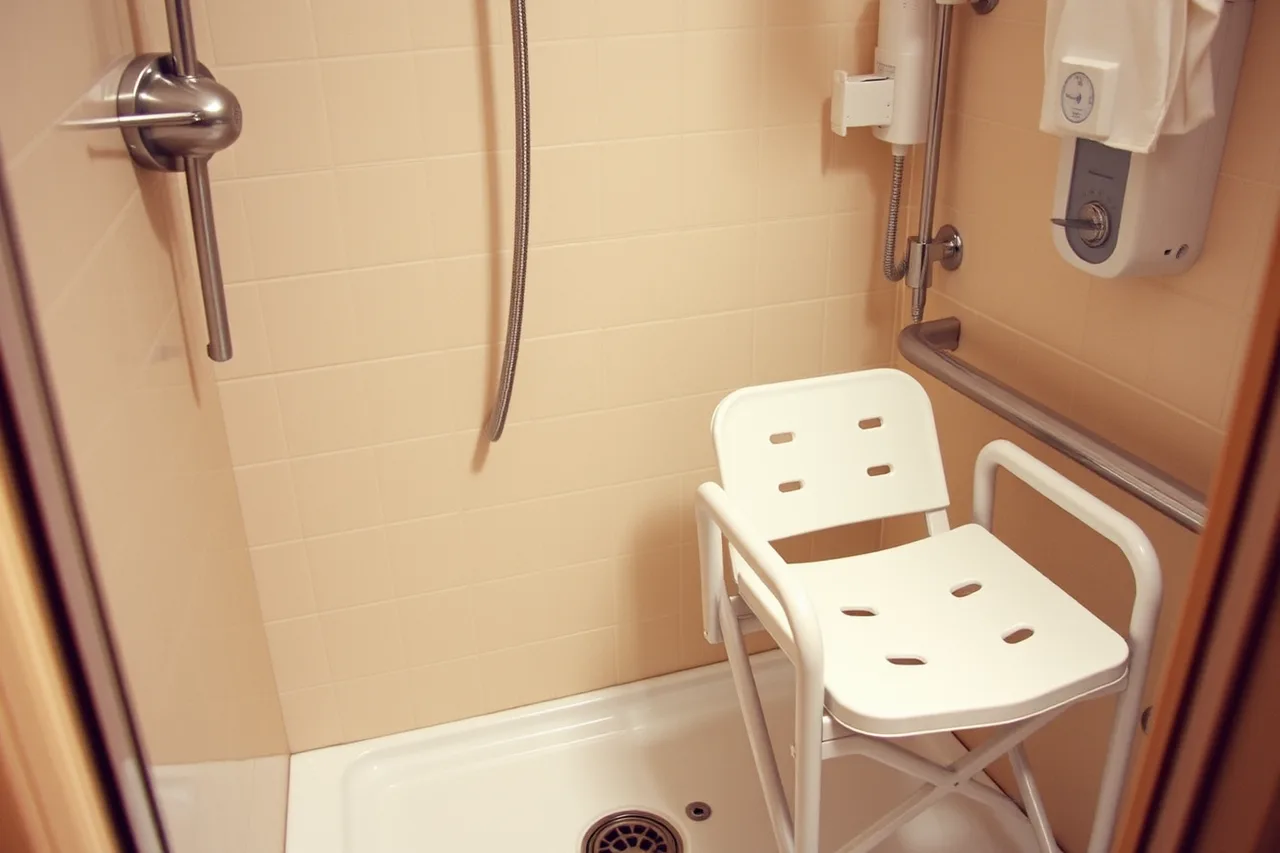
Ask for the shower entry width, whether the seat is fixed or folding, and where the controls sit relative to the entry. A photograph of the controls taken from seated height answers the last question in a way no written description does.
Ask about the route and the exit
Two questions travelers forget until arrival.
Parking to the room.
Surface, distance, curbs, and door widths.
Whether the accessible entrance is the main one.
Whether it is staffed after hours.
Out of the building in an emergency. Where the accessible route out sits, whether it serves your floor, and what the procedure is when the lift is out. Ask at check-in too. The answer at three in the morning differs from the answer at noon.
What a complete answer looks like
Acadia's accessibility pages list accessible facilities, campgrounds, routes and services with measurements rather than assurances. That is the standard to hold a hotel phone call to.
Location decides more than the room
A perfect room forty minutes from everything you came for is worse than a good room across the street from it.
Rank properties on four things: distance to your anchor attraction, flatness of the route, accessible transit within two blocks, and a place to eat with no step at the door. Counting what sits within fifteen minutes without a transfer turns that list into a number you can compare two properties on.
The week-before call, as a checklist
- The specific room is still held under your name.
- The lift is working and no outage is scheduled for your dates.
- No construction has closed the accessible entrance.
- The bathroom is the type you booked, with the entry width you were quoted.
Four questions, one call. Properties field these constantly, and the good ones answer straight away.
The wider question set sits in what to ask when booking. The trip shape the room has to support is what should decide the location.
Common questions
Can a hotel give my accessible room to somebody else?
Once the room is reserved for you, it is supposed to be held. Written confirmation naming the room is what makes that claim usable when you arrive. Without it, you are arguing about a room type.
Are chain hotels more reliable?
Chains are more consistent in policy, but the specific property still varies. Ask the property directly, never the central booking line. The person at the desk knows which rooms have roll-in showers.
What about short-term rentals?
Short-term rentals face far less regulation on access features and vary widely. Ask for measurements and photographs before you pay, and budget more verification time than a hotel booking needs.
What if I arrive and the room is wrong?
Ask for the manager immediately and for the room you reserved. Have the written confirmation in hand. If the property will not resolve it, the U.S. Department of Justice ADA Information Line can explain your options.