Features
Mobility-friendly destinations: beach access by region
Mobility-friendly destinations across Florida, California, and the Midwest, with beach wheelchairs, mobi-mats, reservations, and seasonal access.
What to take away
- Florida leads for mobility-friendly destinations with free beach wheelchairs and mobi-mat access at many state parks and county beaches.
- California provides coastal access through state parks and local programs, but you usually need to reserve equipment in advance.
- Midwest lakefront and trail options often have accessible paths and ramps, yet beach wheelchairs are less common than in Florida.
- Reservation rules varysome Florida parks take walk-ups, while California and Midwest sites often require phone or online bookings.
- Deposits range from none to about $50, and seasonal availability peaks in summer.
- Always confirm mat condition, chair type, and parking before you drive.
How Florida beach wheelchair and mobi-mat programmes work
Florida runs one of the country's most developed beach access systems. The state's parks system and many county beach managers provide beach wheelchairs, typically at no charge, on a first-come, first-served basis. Some locations also install mobi-mat, a roll-up mat that creates a firm path over loose sand.
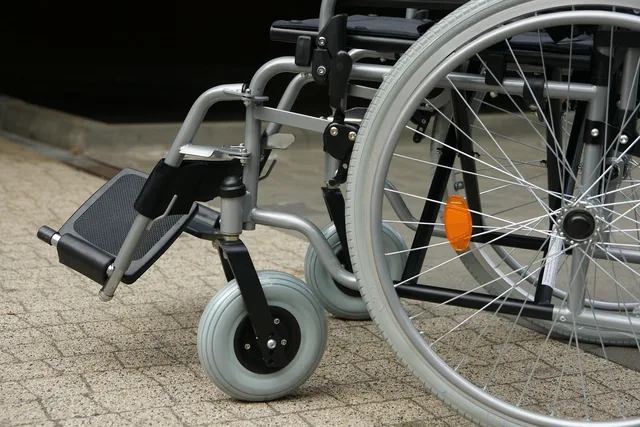
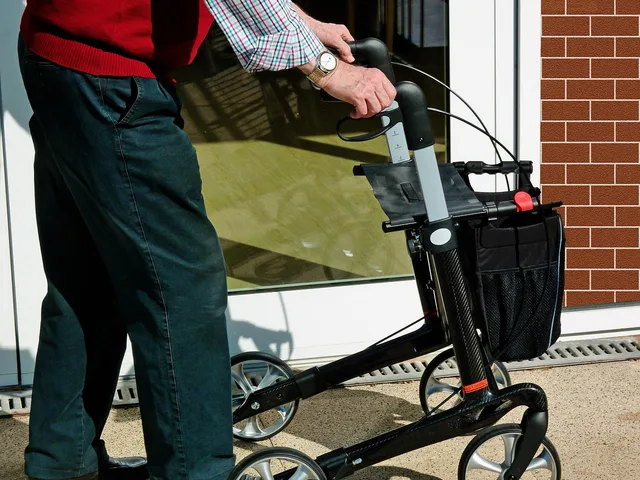
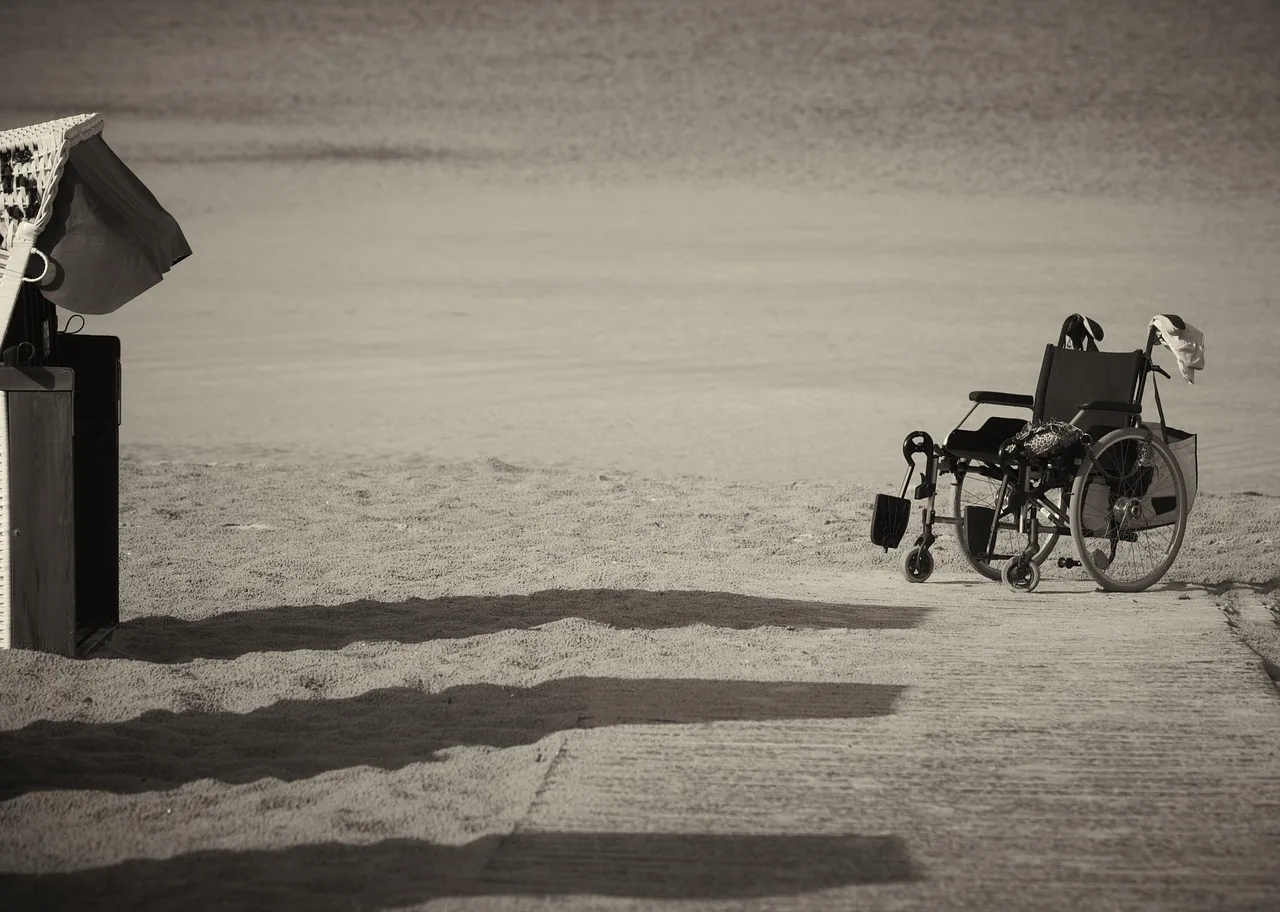
A beach wheelchair has large, wide tires that float on sand. Models vary: some are manual and need a companion to push, others are motorized and controlled by the user. Mobi-mat is a separate feature, a temporary walkway that stays in place for the season. It helps wheelchair users, walker users, and parents with strollers reach the waterline.
To use these programs, you usually go to a beach access point with a photo ID. Staff may ask you to sign a waiver. In busy areas, you might need to call ahead to reserve a chair.
The Accessibility (U.S. National Park Service) page explains how federal sites approach access, and Florida's state parks follow similar principles.
Florida's approach is unusual because many programs are free. That removes cost as a barrier. But free also means high demand. On summer weekends, chairs can be gone by mid-morning. Arrive early or call the day before.
Named Florida beaches with beach wheelchair access
Several Florida beaches stand out for reliable beach wheelchair and mobi-mat programs. Here are specific ones to consider.
Clearwater Beach in Pinellas County offers beach wheelchairs at no cost through the city's Beach Lifeguard headquarters. You can reserve by phone. The beach also has mobi-mat sections near Pier 60.
Siesta Key Beach in Sarasota County provides beach wheelchairs free of charge at the main pavilion. The county parks department manages the program. Mobi-mat is installed seasonally.
Fort De Soto Park in Pinellas County has beach wheelchairs available at the North Beach and East Beach areas. The park is part of the county system. There is no fee for the chair, but parking costs a flat rate.
Delray Beach in Palm Beach County offers beach wheelchairs through the city's ocean rescue division. You can reserve by calling the lifeguard station. The beach has a mobi-mat path near the main access.
Miami Beach provides beach wheelchairs at several locations, including South Beach and North Shore Open Space Park. The city's parks department manages the loans. Some are free, others require a small deposit.
St. Augustine Beach in St. Johns County has beach wheelchairs available at the pier. The county runs the program. Mobi-mat is in place during the warmer months.
Pensacola Beach in Escambia County offers beach wheelchairs through the Santa Rosa Island Authority. The chairs are free, but you must call ahead to reserve. The beach has a mobi-mat near the main boardwalk.
These are just examples. Many smaller towns also lend chairs. For a broader list, see Florida Beaches Lend Beach Wheelchairs.
California coastal access: what is provided and what is not
California's coast is long and varied. Access varies just as much. Some state beaches have excellent facilities, while others have none. The state parks system provides beach wheelchairs at a number of popular locations, but you often need to reserve them in advance.
Huntington Beach in Orange County has beach wheelchairs available through the city's community services department. You can reserve online or by phone. The city also has mobi-mat at several access points.
Santa Monica Beach offers beach wheelchairs at the Annenberg Community Beach House and other locations. The city's beach recreation division manages the loans. Mobi-mat is installed seasonally near the pier.
Coronado Beach in San Diego County provides beach wheelchairs through the city's recreation department. Reservations are recommended. The beach has a mobi-mat path near the main lifeguard tower.
Crystal Cove State Park in Orange County has beach wheelchairs available at the historic district. The park is part of the state parks system. You must call ahead to reserve.
Manhattan Beach in Los Angeles County offers beach wheelchairs at the pier. The city's parks and recreation department manages the program. Mobi-mat is in place during summer.
What California often lacks is consistency. Some beaches have chairs but no mat. Others have mats but no chairs. Parking can be expensive and limited. Federal agencies publish access details unit by unit, and California's state parks do the same, but you have to check each park individually.
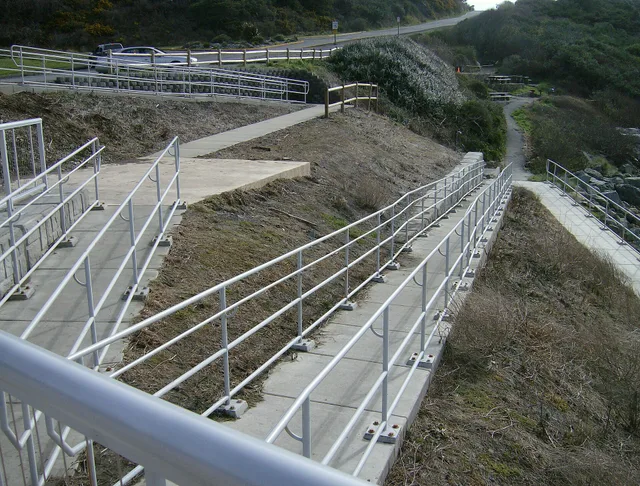
Also, California's coastal terrain can be steep. Access points may involve ramps or switchbacks. That is different from Florida's flat beaches. If you use a power wheelchair, check the slope before you go.
For a comparison to another coastal state, see Wheelchair-Accessible Trails on the Oregon Coast.
Midwest lakefront and trail options for mobility-friendly destinations
The Midwest does not have ocean beaches, but it has lakefronts and trails that work well for mobility-friendly destinations. The Great Lakes and inland lakes offer sandy beaches, and many communities have added accessible features.
Ohio Street Beach in Chicago has a mobi-mat path and beach wheelchairs available through the Chicago Park District. The beach is on Lake Michigan. You can reserve chairs by phone.
Bradford Beach in Milwaukee has beach wheelchairs and a mobi-mat installed during summer. The county parks department manages the program. There is no fee for the chair.
Grand Haven State Park in Michigan offers beach wheelchairs at the Lake Michigan shoreline. The park is part of the state parks system. You can reserve by calling the park office.
Sleeping Bear Dunes National Lakeshore in Michigan provides beach wheelchairs at some access points. The park is a federal site, so check the site-specific accessibility pages for details. Not all beaches have chairs.
Lake Harriet in Minneapolis has a paved trail around the lake and a small beach with a mobi-mat. The Minneapolis Park and Recreation Board manages the area. Beach wheelchairs are available on a first-come basis.
Cuyahoga Valley National Park in Ohio has accessible trails, including the Towpath Trail. The park is a federal site. Beach access is limited, but the trails are well maintained.
Midwest options often focus on trails rather than beach wheelchairs. The Mobility Devices | ADA.gov page explains that mobility devices must be allowed on trails and beaches where the public is permitted. That helps, but it does not mean a beach wheelchair is available.
Comparing reservation rules, deposits and seasonal availability
Reservation practices and seasonal availability vary by state and by individual beach, as the regional examples below illustrate.
Reservation rules by region
Florida
- Reservation
- Walk-up or phone
- Deposit
- None to $20
- Season
- Year-round
California
- Reservation
- Phone or online
- Deposit
- $0 to $50
- Season
- Summer, some year-round
Midwest
- Reservation
- Phone sometimes
- Deposit
- None to $25
- Season
- Memorial Day to Labor Day
In Florida, many programs are first-come, first-served. You show up, sign a waiver, and take a chair. Some larger beaches take reservations by phone. Deposits are rare, but a few private vendors charge a small fee.
California is more reservation-oriented. State parks and city programs often ask you to book ahead. Deposits vary. Some places hold a credit card number but do not charge unless the chair is damaged.
Midwest programs are seasonal. Most operate from late May to early September. Outside that window, chairs are stored. Trails remain open year-round, but beach access may be snowy or icy.
Seasonality matters for another reason: crowds. Summer is peak. If you want a chair, go early or visit in the cooler shoulder season.
Accessible parking is another variable. The Accessible Parking Spaces | ADA.gov page outlines requirements, but individual beaches may have limited spaces. Arrive early.
What to confirm before you drive to any of these beaches
Call ahead to confirm current availability, reservation rules, and access conditions. Details can vary by location and season.
- Is a beach wheelchair available at the access point you plan to use?
- Can you reserve it, or is it first-come, first-served?
- Is there a fee or deposit?
- What type of chair is available, and does it require a companion?
- Is the mobi-mat installed, and where does it reach?
- Are accessible parking spaces available, and what does parking cost?
- Does the route have slopes, steps, or soft-sand gaps?
- Do you need photo ID or to sign a waiver?
Confirm before you drive
- Is the beach wheelchair available today?
- Is the mobi-mat installed and in good condition?
- Do you need a reservation?
- Is there a deposit? How much?
- Where is the accessible parking?
- Are accessible restrooms and showers open?
- What is the slope between parking and water?
These questions apply everywhere. For a deeper checklist, see access details worth confirming.
If you are planning a longer trip, consider accessible weekend getaways that include beach time. But always verify locally.